

6
Minimum Read

Which type of printing on clothes is best?
There is no single best type of printing on clothes. The right method depends on the fabric, the design, and the order size. Screen printing is usually best for bold, durable designs on cotton in medium to large runs. DTG is best for detailed or photographic designs on cotton in small batches. Dye sublimation is best for all-over prints and for polyester or sportswear.
This guide breaks down the most common types of printing on fabric and clothes, how each method works, and when each is best used. It compares options by fabric type, design complexity, and intended use so buyers can choose the right method for custom merchandise, clothing, or workwear.
Common Fabric Printing Techniques at a Glance
Technique | Fabric fit | Typical min order | Durability | Cost per unit at volume | Colour limits |
|---|---|---|---|---|---|
Screen printing | Cotton, blends | Higher (setup per colour) | High | Low at volume | Best for 1 to 4 solid colours |
DTG | Cotton, cotton-rich blends | From 1 | Medium | Higher per unit | Full colour, photographic |
Digital / DTF transfer | Most fabrics | From 1 | Medium to high | Medium | Full colour, no Pantone match |
Dye sublimation | Polyester and poly blends only | Low | Very high | Low to medium | Full colour, light garments |
Embroidery | Most wovens, workwear | Small | Very high | Higher (per stitch area) | Up to ~15 thread colours |
Heat transfer vinyl | Cotton, polyester, blends | From 1 | Low to medium | Low at small scale | Limited by vinyl stock |
Discharge | Dark 100% cotton | Medium | Medium to high | Medium | Best on dark fibres |
Pigment | Natural / cellulose fibres | Medium | Medium | Low | Softer, matte colour |
Which technique for which job
If the design is bold with one to three solid colours on cotton and the run is larger, then screen printing gives the best cost and durability.
If the design is detailed, photographic, or full colour on cotton and the run is small, then DTG is the best fit.
If the design must cover the whole garment, or the fabric is polyester or sportswear, then dye sublimation is the best choice.
If the item is workwear or premium apparel and the logo is simple, then embroidery lasts longest and looks most premium.
If the order is small or needs names and numbers, then heat transfer or DTF is the fastest and most flexible.
If the garment is dark cotton and a soft feel matters, then discharge printing avoids a heavy ink layer.
Types of printing on fabric
1. Screen Printing
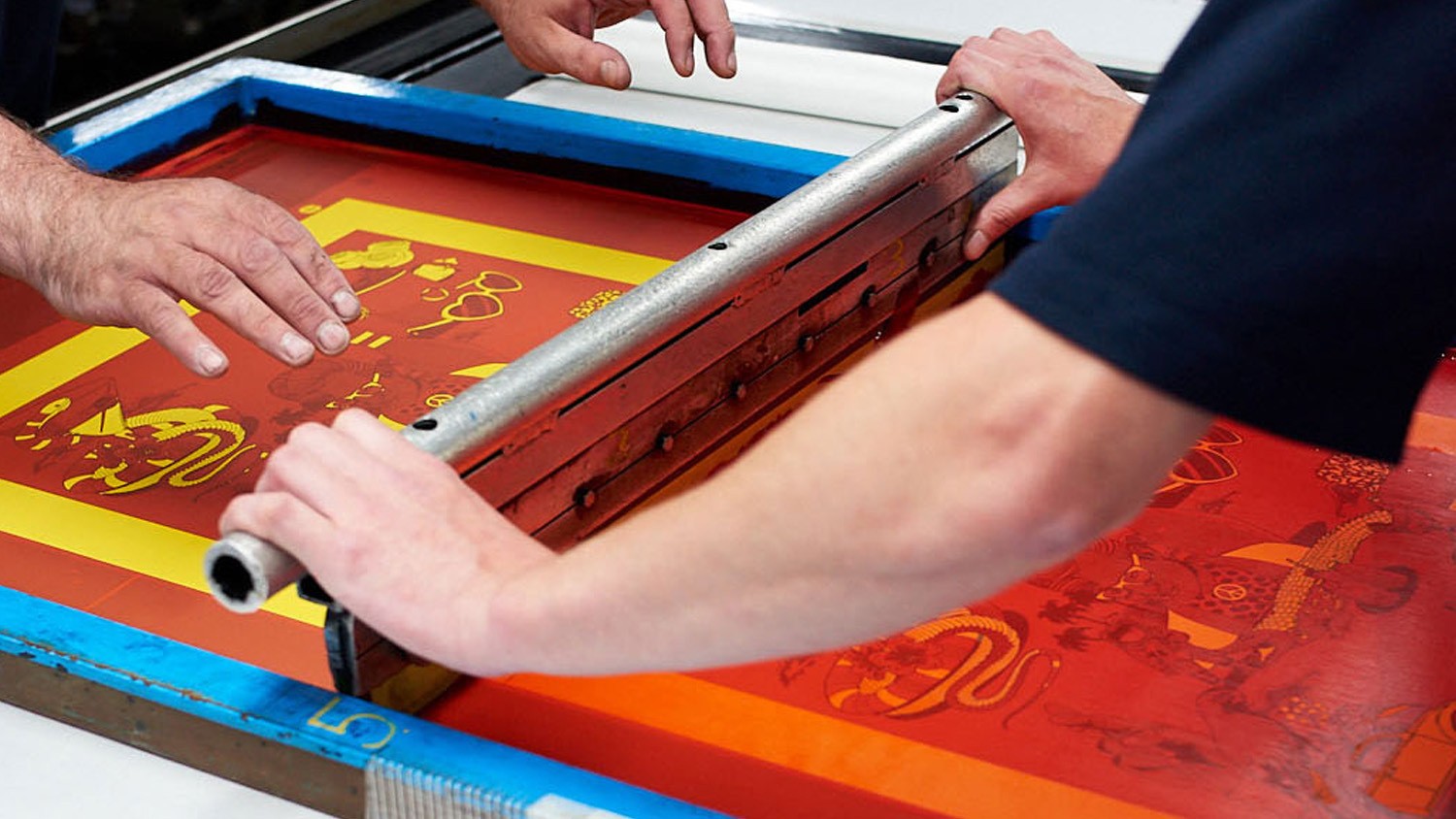
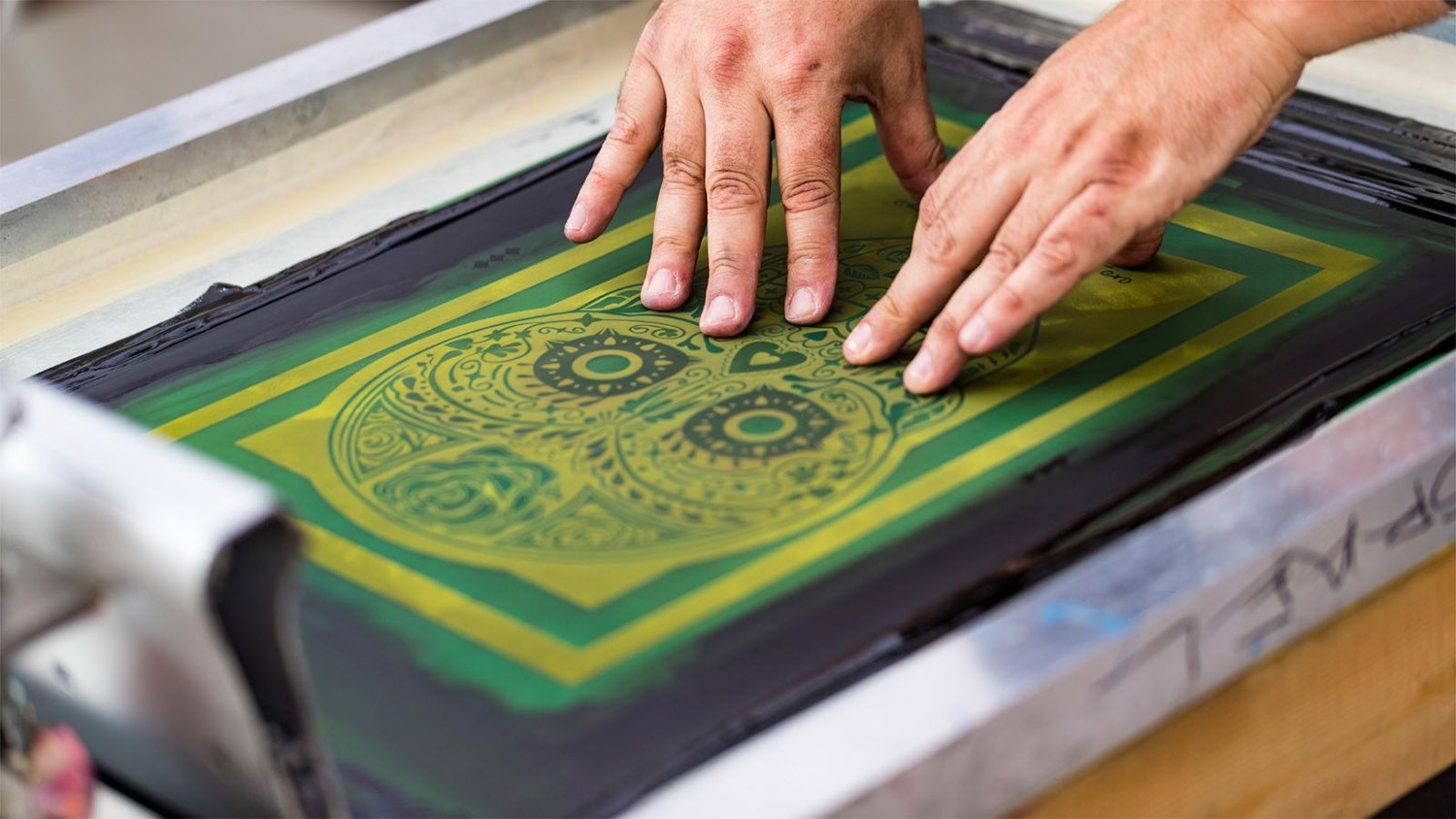
Screen printing pushes ink through a mesh stencil, one screen per colour. Screen printing comes in flat (shirts, bags), rotary (fabric rolls), and hand-screen forms.
The print lasts well because a thick ink layer is transferred, and it is the most economical method for large single-colour runs. It is the most common technique for custom hoodies and branded apparel, because the bold, durable finish survives repeated washing.
Pros:
➕ Long-lasting
➕ Cost-effective at volume
➕ Soft, high-quality finish
➕ Ideal for solid colours
Cons:
➖ Needs space to print and dry
➖ Skilled labour required
➖ Fine detail on rough fabric is hard
2. Indirect (plastisol) screen printing
This method prints the design onto a plastisol transfer sheet, dries it, then heat presses it onto the garment. It produces durable, vibrant designs and suits smaller orders than direct screen printing. Blends of 50% polyester and 50% cotton take plastisol ink well.
Pros:
➕ Less mess
➕ Durable, high-quality design
➕ Works for smaller runs
➕ Faster than direct screen printing
Cons:
➖ Applying plastisol is tricky
➖ Transfer sheets are costly
➖ The design can crack if applied incorrectly
3. Screen transfer printing
A screen is made as for a normal screen print, then the design is printed to transfer paper and heat pressed onto the garment. A glue layer and powder are applied so all colours bond in one press.
Pros:
➕ No colour limit
➕ Exact Pantone match via a white base
➕ Bright colours
➕ Small details possible
Cons:
➖ Pricier than direct screen printing
➖ Longer production
➖ Needs a flat surface, so printing near zips, seams, or PVC is not possible
4. Silkscreen
Silkscreen, also called silkscreen transfer, is the traditional term for screen printing: a stencil on a mesh screen, ink applied directly through it. It is cost-effective for large runs and gives vivid, durable prints, but is less suited to highly detailed, multi-colour designs because of alignment and setup time.
5. Digital (plotter) transfer printing
Digital transfer prints the design to a special film with a white base and glue, then a cutter shapes it and a heat press applies it. Digital printing offers precision and flexibility for printing on different fabrics.
Pros:
➕ No colour limit thanks to the digital process
➕ Any shape possible
➕ No setup cost, so cost-effective for small batches
➕ Bright colours
Cons:
➖ No Pantone match (four-colour process)
➖ More expensive on large or large-format orders (priced per cm2)
➖ Best for single cut forms
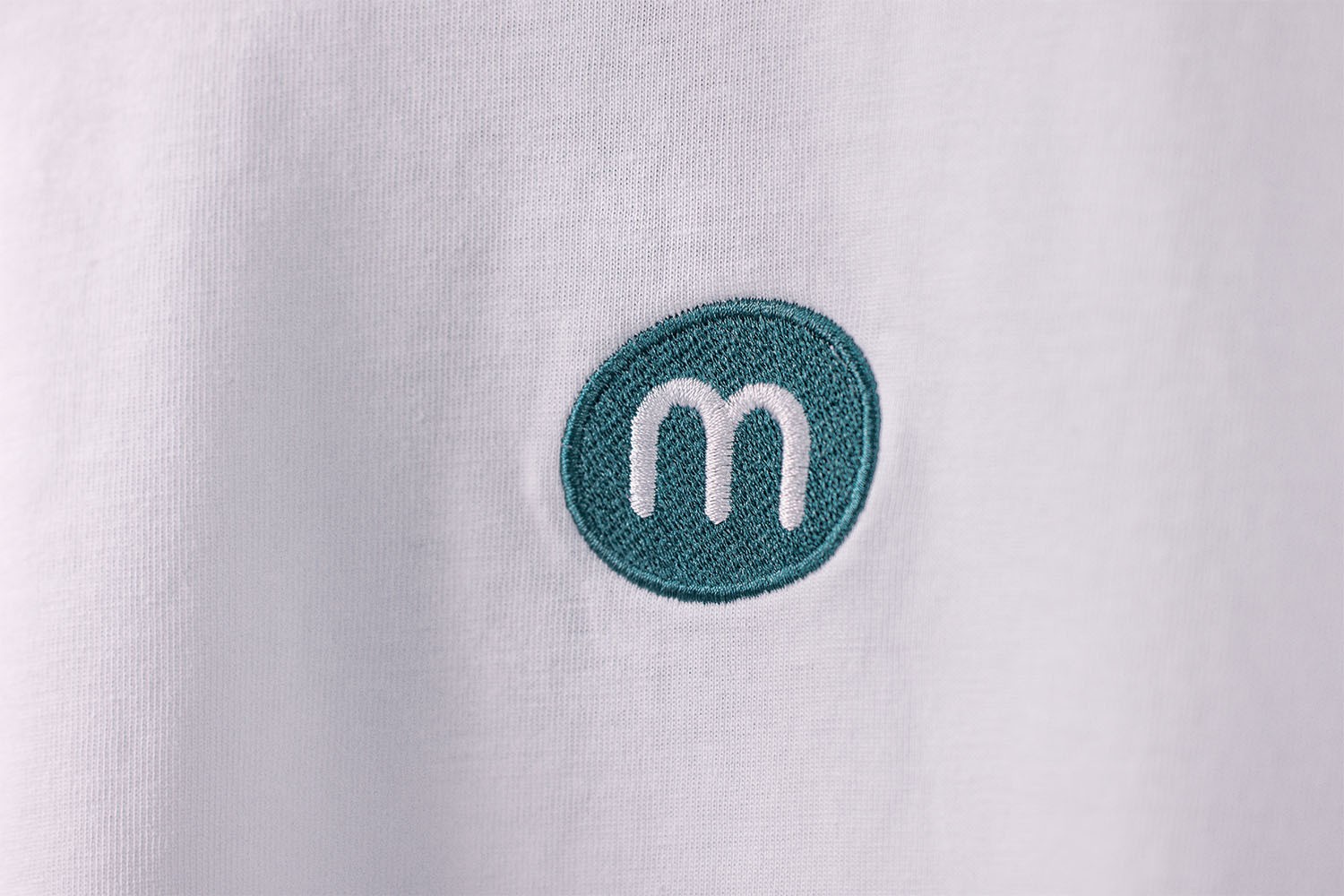
6. Embroidery
Embroidery redraws a logo as a stitch file, then sews it with a multi-needle machine. Embroidery is the premium, long-lasting option for custom apparel and is the preferred decoration for premium corporate Merch, where quality is visible before the logo is read.
Pros:
➕ Up to about 15 thread colours
➕ Long-lasting
➕ Luxurious appearance
Cons:
➖ Pricier (priced per stitch area)
➖ Small detail is hard (lowercase at least 5 to 6 mm)
➖ No exact Pantone match
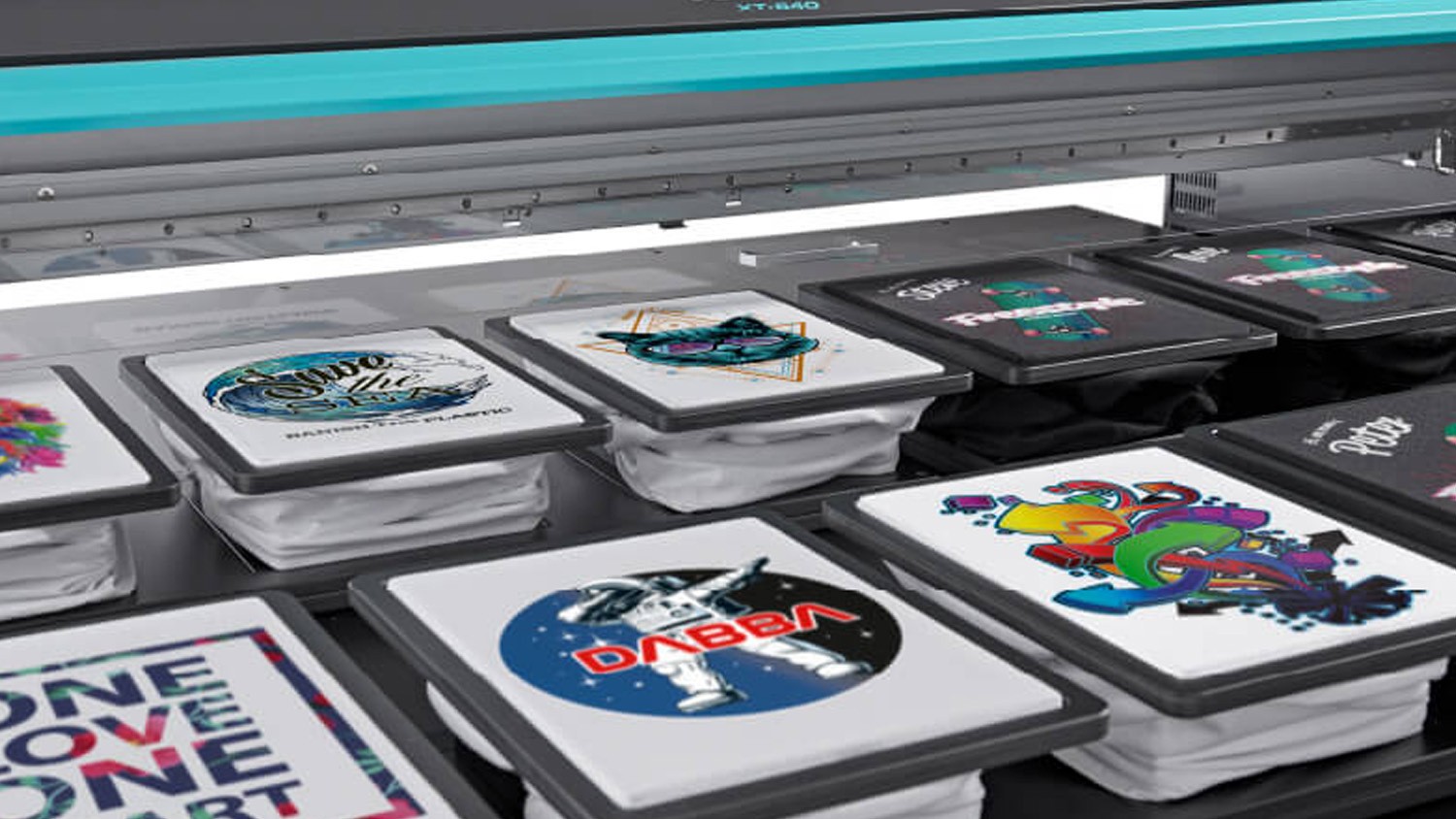
7. DTG (direct to garment)
DTG uses a flatbed inkjet printer to apply textile ink directly into the garment. DTG excels at intricate, high-resolution, full-colour designs and photos, with a soft finish because the ink absorbs into the fabric. It suits t-shirts, sweatshirts, polos, and bags, which makes it a good fit for onboarding kits where design complexity varies across recipient groups.
Pros:
➕ Excellent for detailed, full-colour, and photographic designs
➕ Strong for small to medium batches and on-demand
➕ Soft finish
➕ Works on dark fabrics with a white underbase pretreatment
Cons:
➖ Expensive setup and ink
➖ Needs space
➖ Less economical than screen printing for large single-colour runs
8. Dye sublimation
Sublimation heats ink into a gas that bonds with the fibre, so it works only on polyester and polyester blends; natural fibres like cotton will not hold the print. Dye sublimation is ideal for all-over prints and gives a breathable finish that does not crack or peel. It is also the technique behind most eco-friendly promotional items made from recycled polyester, since the ink fuses with the fibre rather than sitting on top.
Pros:
➕ Waterproof
➕ Comfortable, no-feel finish
➕ Ideal for bulk
➕ Great for full colour
➕ Ink does not wash off or peel
Cons:
➖ Labour-intensive
➖ Expensive ink and equipment
➖ Limited to polyester
➖ Slower than some inkjet methods
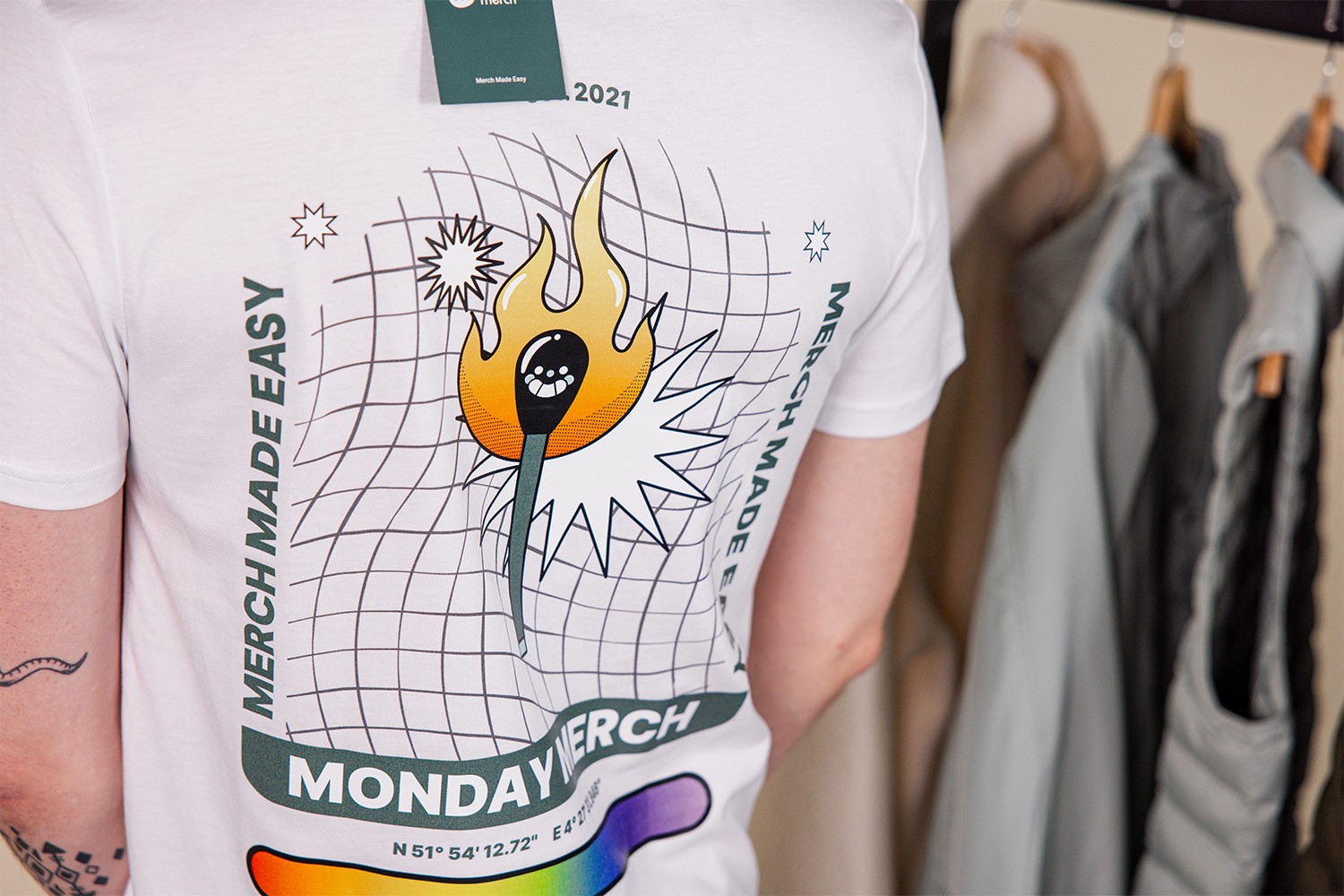
9. Heat transfer printing
Heat transfer, also called thermal printing, presses a design from a transfer onto the fabric with heat. Heat transfer vinyl cuts designs from coloured vinyl and presses them on, which suits small, durable prints like logos, names, and numbers on sportswear. Direct to film (DTF) prints the design onto a film first, then presses it on, giving vibrant, durable results across a wide range of fabrics. Heat transfer works with cotton, polyester, and cotton-poly blends; avoid heat-sensitive synthetics such as nylon and acrylic, which can scorch or melt under the press. It is a common, low-cost method for small batches and quick turnarounds.
Pros:
➕ Easy to apply
➕ Durable, smooth, waterproof finish
➕ Low-cost, quick setup
➕ Supports full colour
Cons:
➖ Can look less premium
➖ Prints can crack or peel if applied poorly
➖ Presses draw significant power
More Textile Printing Methods
We’ve already covered nine printing techniques, but there are still more unique options to explore. With so many options available, selecting the best printing method depends on your specific needs and project requirements.
Curious to learn more? Keep reading as we unveil these additional methods!
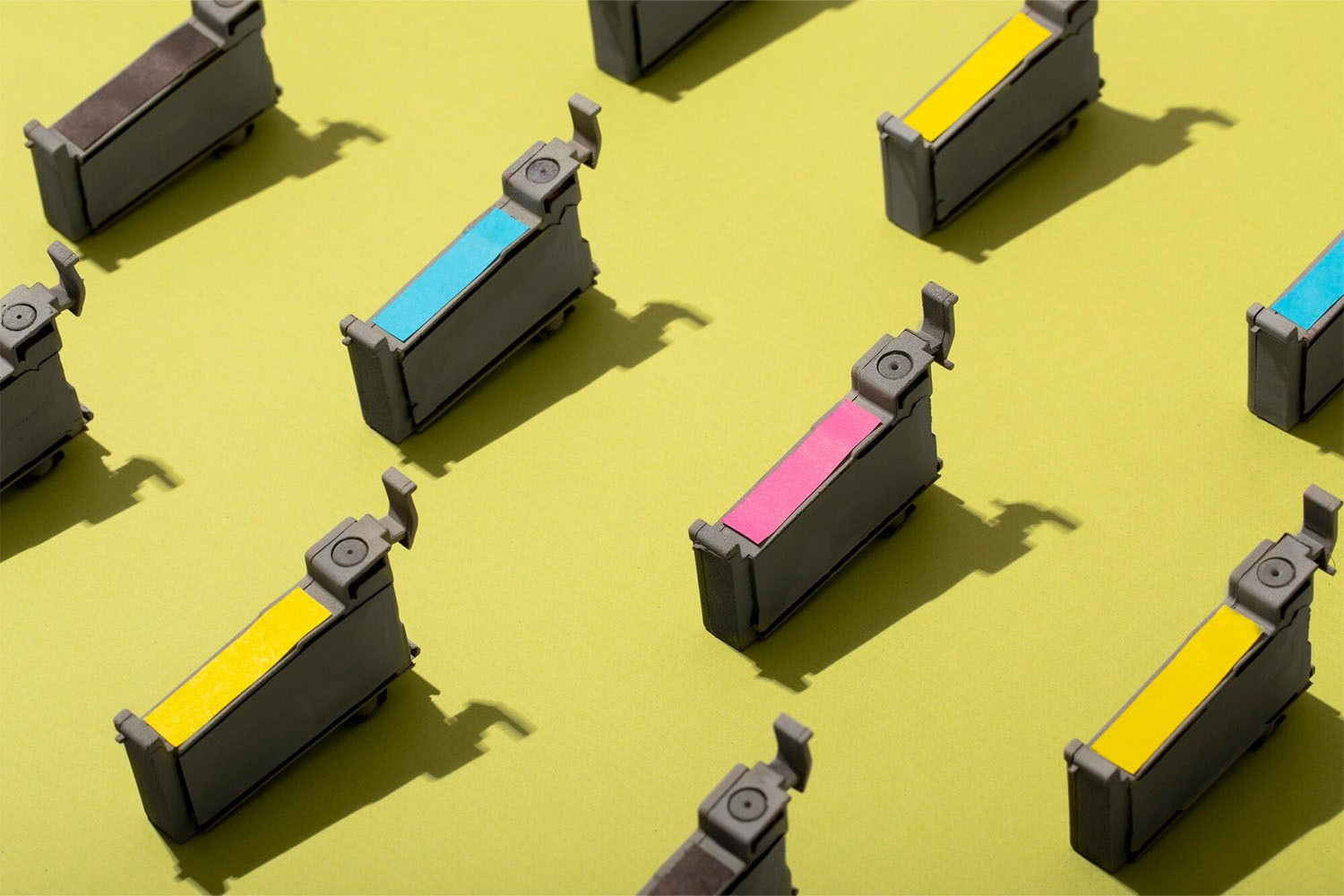
10. Stamp printing
Stamp printing presses ready-made stamps and ink onto fabric by hand. It is a DIY method suited to hobbyists and small crafts; any smooth fabric works.
Pros:
➕ Easy and accessible
➕ Inexpensive
➕ No set print size
➕ Rewards craftsmanship
Cons:
➖ Labour-intensive
➖ Slow, low output
➖ Needs a steady hand for colour and registration
➖ Hard to produce fine detail
11. Stencilling
Stencilling is one of the oldest textile methods. Stencilling applies ink brushed or sprayed through a hand-cut stencil rather than a mesh screen. It suits natural fibres like cotton, hemp, linen, and silk, and fabric paint gives a softer finish than acrylic.
Pros:
➕ Graded colours possible
➕ Different colours on different areas
➕ Low equipment cost
➕ Doable at home
Cons:
➖ Labour-intensive
➖ Metal stencils are costly
➖ The wrong sheet gives inconsistent lines
➖ Not for large-scale runs
12. Discharge printing
Discharge printing uses water-based ink to remove the garment dye and replace it with a chosen colour, soaking in rather than sitting on top. Discharge printing is an eco-friendly option for dark natural fibres; ideal materials are 100% cotton or hemp, and 50/50 blends also work. Polyester is not suitable, as the design will bleed.
Pros:
➕ Lightweight print
➕ No cracking or peeling
➕ Soft look and feel
➕ Vibrant on dark garments
Cons:
➖ Accurate colour is tricky
➖ Water-based inks are pricey
➖ Needs natural or 50/50 fabric
➖ Garment must be dark
13. Vinyl printing
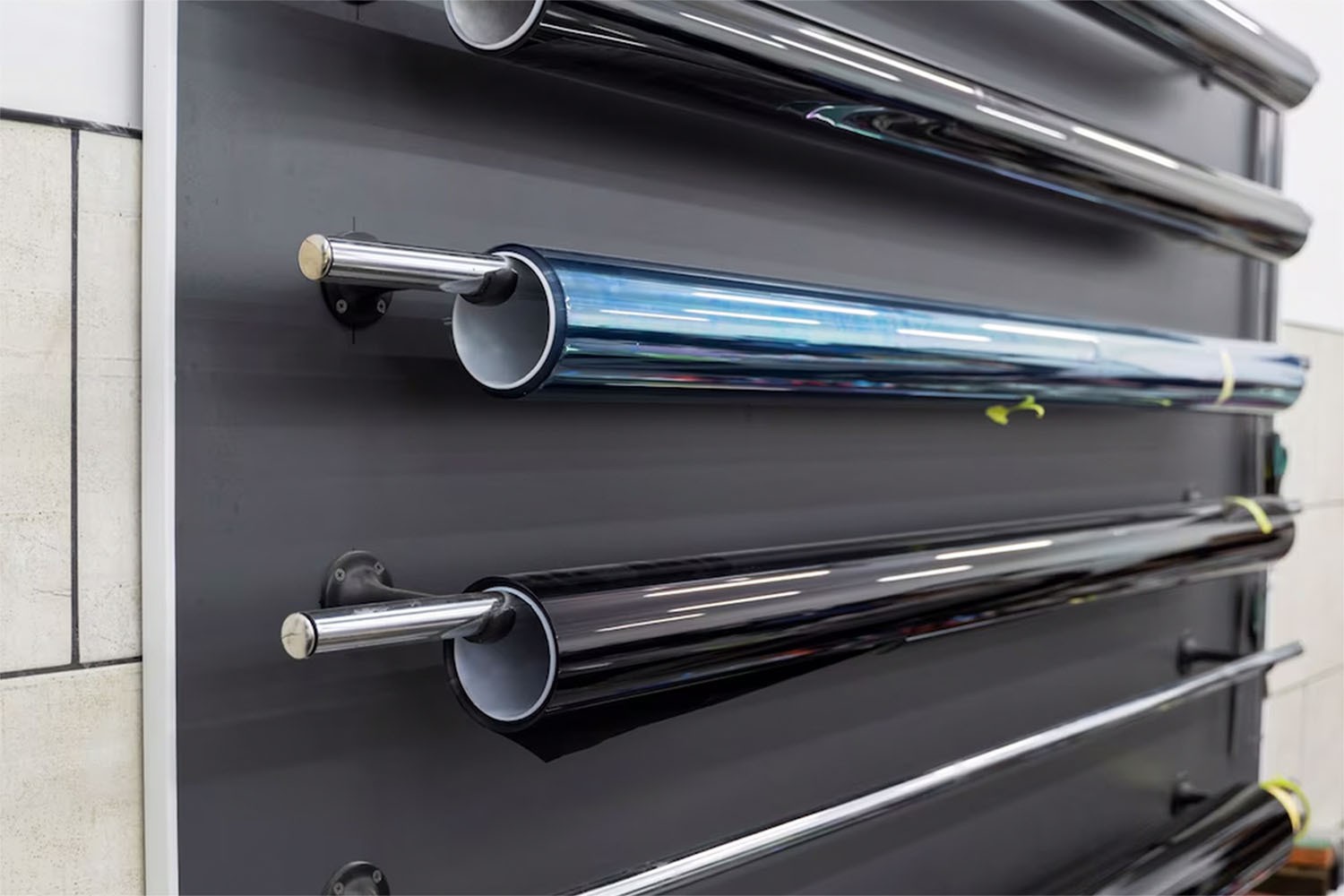
Vinyl printing cuts designs, letters, and shapes from coloured vinyl and heat presses them onto the garment. Vinyl printing works best on cotton, polyester, or a blend. It is accessible for small operations and scales with added hardware and software.
Pros:
➕ Low setup cost
➕ High-quality colour
➕ Works across garments
➕ Complex shapes possible
Cons:
➖ Labour-intensive for bulk
➖ Colours limited by vinyl stock
➖ Needs careful washing
14. Pigment printing
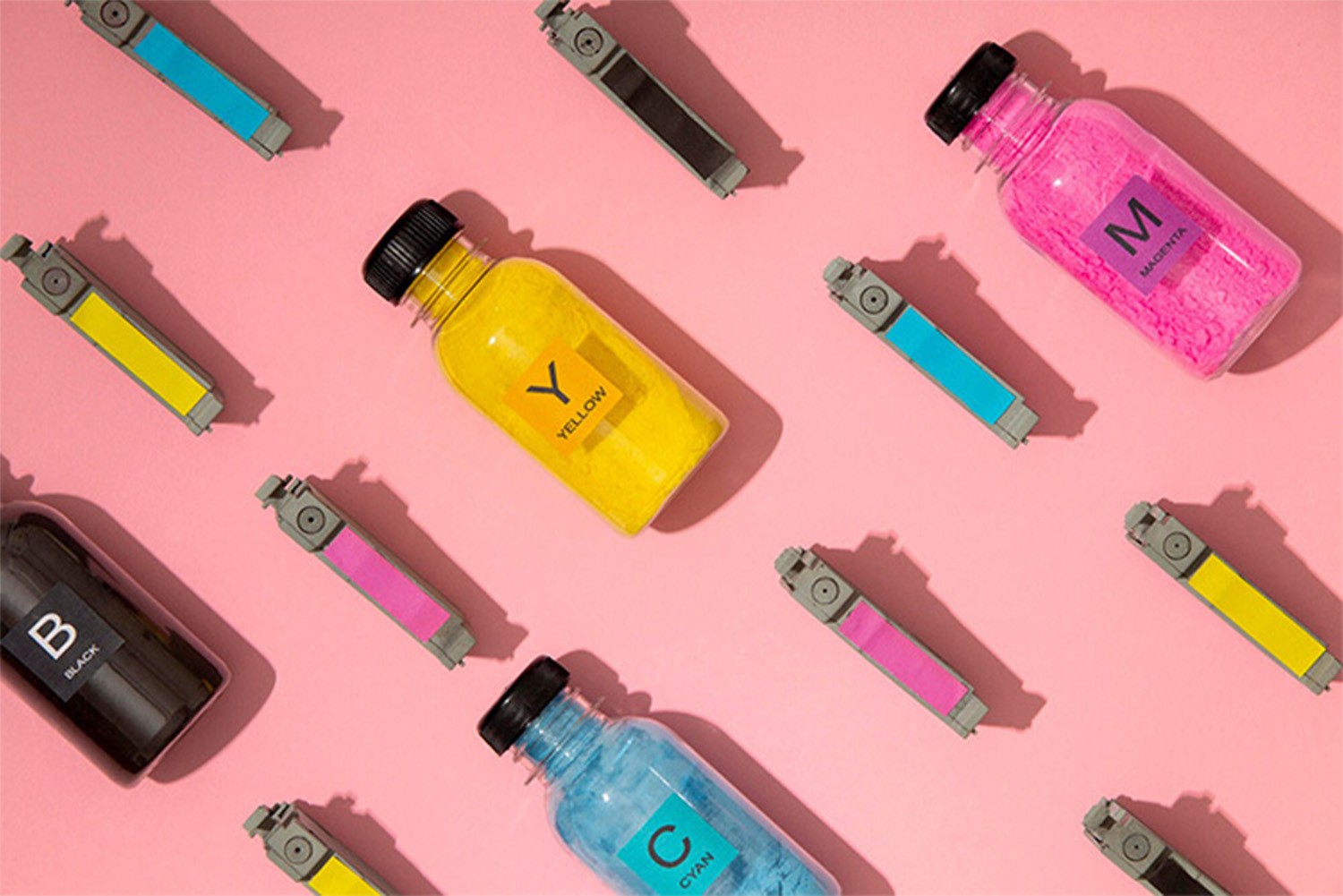
Pigment printing colours only the fabric surface, so the pattern sits on top while the fibres keep their natural colour. It works best on cotton and cellulose fibres, and also on polyester, Tencel, and lyocell; it is not suited to leather or waterproof fabrics that will not absorb the ink.
Pros:
➕ High-quality print
➕ Good for bulk
➕ Affordable and simple process
Cons:
➖ Pigment is hard to control
➖ Rollers wear during long runs
➖ A first-phase error carries into the result
➖ Solvents can carry odour
Types of printing Monday Merch uses
Monday Merch mainly uses screen transfer, digital transfer, silkscreen transfer, and embroidery. These are long-lasting, cost-effective, and versatile. They work across fabrics such as polyester, silk, cotton, and synthetic fibres like terry cloth and rayon. Not sure which fabric to print on? See the fabric guide for a breakdown of materials and their trade-offs. Every merch package should represent an organisation's culture, so employees are proud to wear it.
The best type of printing for t-shirts
The best method for t-shirts depends on the fabric and the design. Screen printing wins for bold, durable, single or few-colour designs on cotton at volume. DTG wins for detailed or photographic designs on cotton in smaller runs. Dye sublimation wins for all-over prints on polyester. Budget, colour count, and order size decide between them.
Fabric printing FAQs
What is the most durable printing method on clothes?
Screen printing and embroidery are among the most durable, especially for frequently washed garments and workwear. Discharge printing and plastisol transfers also produce vivid, long-lasting prints.
What printing technique is best for detailed designs?
DTG works best for highly detailed or full-colour designs, particularly on cotton.
Does fabric type affect printing quality?
Yes. Different fabrics absorb ink differently, which affects colour accuracy, durability, and how the print feels.
Which printing method is best for small quantities?
DTG and heat transfer suit small batches and one-offs because they need minimal setup.
What printing method works best on polyester?
Dye sublimation is ideal for polyester, as the ink bonds with the fibre instead of sitting on the surface.
How long do printed designs on clothes last?
It depends on method, fabric, and care, but high-quality prints can last for years when garments are washed and handled properly.
How does stencilling compare to other methods?
Stencilling applies ink through a cut stencil rather than a mesh screen, which makes it more accessible for simple designs.
Which printing method is the cheapest?
For large runs, screen printing has the lowest cost per unit once setup is covered. For one-offs and small batches, heat transfer vinyl and DTF are usually cheapest because they need almost no setup.
What is DTF printing and how is it different from DTG?
DTF prints a design onto a film that is heat pressed onto the garment, so it works on cotton, polyester, and blends. DTG prints ink directly into the fabric and works best on cotton. DTF suits more fabrics; DTG gives a softer feel on cotton.
Which printing method is best for dark fabrics?
Screen printing with an underbase, DTF, and discharge printing all work well on dark garments. DTG needs a white underbase pretreatment. Dye sublimation is not suitable for dark fabrics.
Read more about how to effectively use company swag or merch Packs for your business.


