
3
Minimum Read
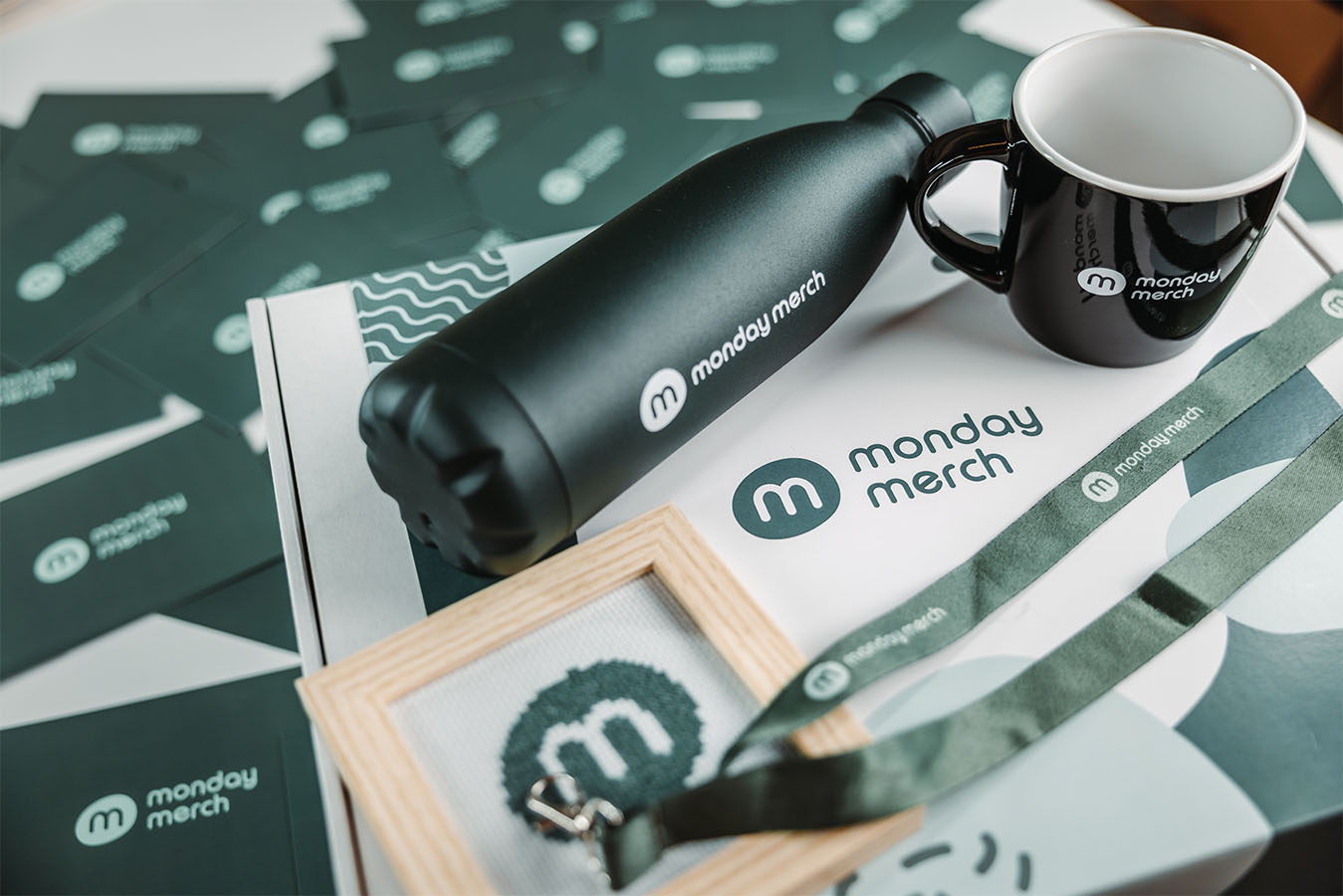
Printing your company logo on products is one of the most effective and cost-efficient ways to build brand recognition. A branded water bottle on someone's desk, a custom hoodie worn on the commute, a tote bag used at the weekend: each one is a passive impression that costs nothing after the initial order.
But getting it right requires more than uploading a logo file and placing an order. The printing technique matters. The product type matters. The file format matters. Getting any of these wrong can result in logos that fade after one wash, colours that do not reproduce accurately, or artwork that looks sharp on screen but blurry on fabric.
This guide covers everything you need to know: the main printing and decoration techniques, which method works best for which product, how to prepare your logo file, which products are most worth branding, and the questions to ask before you commit to an order.
Why Putting Your Logo on Products Is Worth the Investment
Branded merchandise operates differently from digital advertising. A paid advert disappears when the campaign ends. A quality branded item continues generating impressions for months or years after the initial cost. Studies on promotional products consistently find that recipients keep useful branded items for an average of 12 months, with each item generating hundreds of impressions over its lifetime.
For companies, this makes branded products one of the channels offering the lowest cost per impression, particularly when the products are chosen well. A premium branded hoodie worn regularly in public is worth substantially more than a cheap pen that ends up in a drawer.
There are three contexts where branded products typically add the most value:
Employee recognition and culture: Branded apparel, drinkware, and desk items create a sense of belonging and shared identity. Teams that look and feel cohesive tend to perform better and represent the brand more naturally.
Client and prospect gifting: A well-chosen branded gift communicates thoughtfulness and quality. It keeps your brand physically present in a client's workspace long after a meeting or contract signing.
Events and exhibitions: Branded giveaways at events extend your reach beyond attendees. A useful item taken home travels into new environments and generates impressions your booth never could.
Worth knowing: The product itself carries as much brand weight as the logo on it. A cheap product with a great logo still communicates cheapness. Investing in quality items protects the brand signal.
Logo Printing and Decoration Techniques Explained
The method used to apply your logo to a product determines durability, colour accuracy, cost per unit, and minimum order quantities. No single technique is best for every situation. Understanding the differences between product customisation techniques helps you make the right decision for each product category and budget.
Embroidery
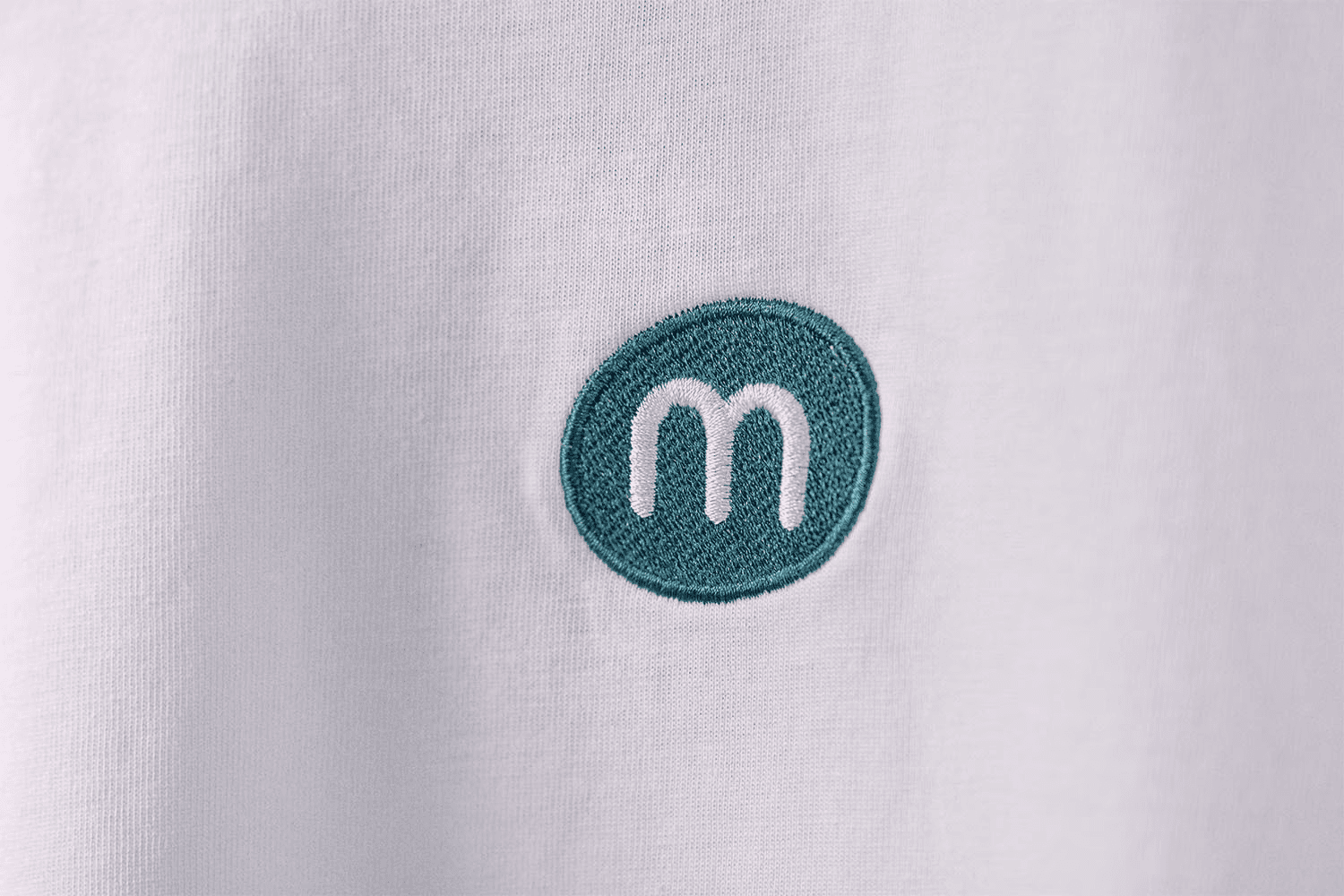
Embroidery stitches your logo directly into the fabric using thread. It is the most durable decoration method available for apparel and soft goods, producing a textured, premium finish that holds up through years of washing.
Advantages | Limitations |
|---|---|
|
|
Best for: Polo shirts, hoodies, jackets, caps, beanies, tote bags. Any apparel or accessory where longevity and a professional look matter.
Screen Printing
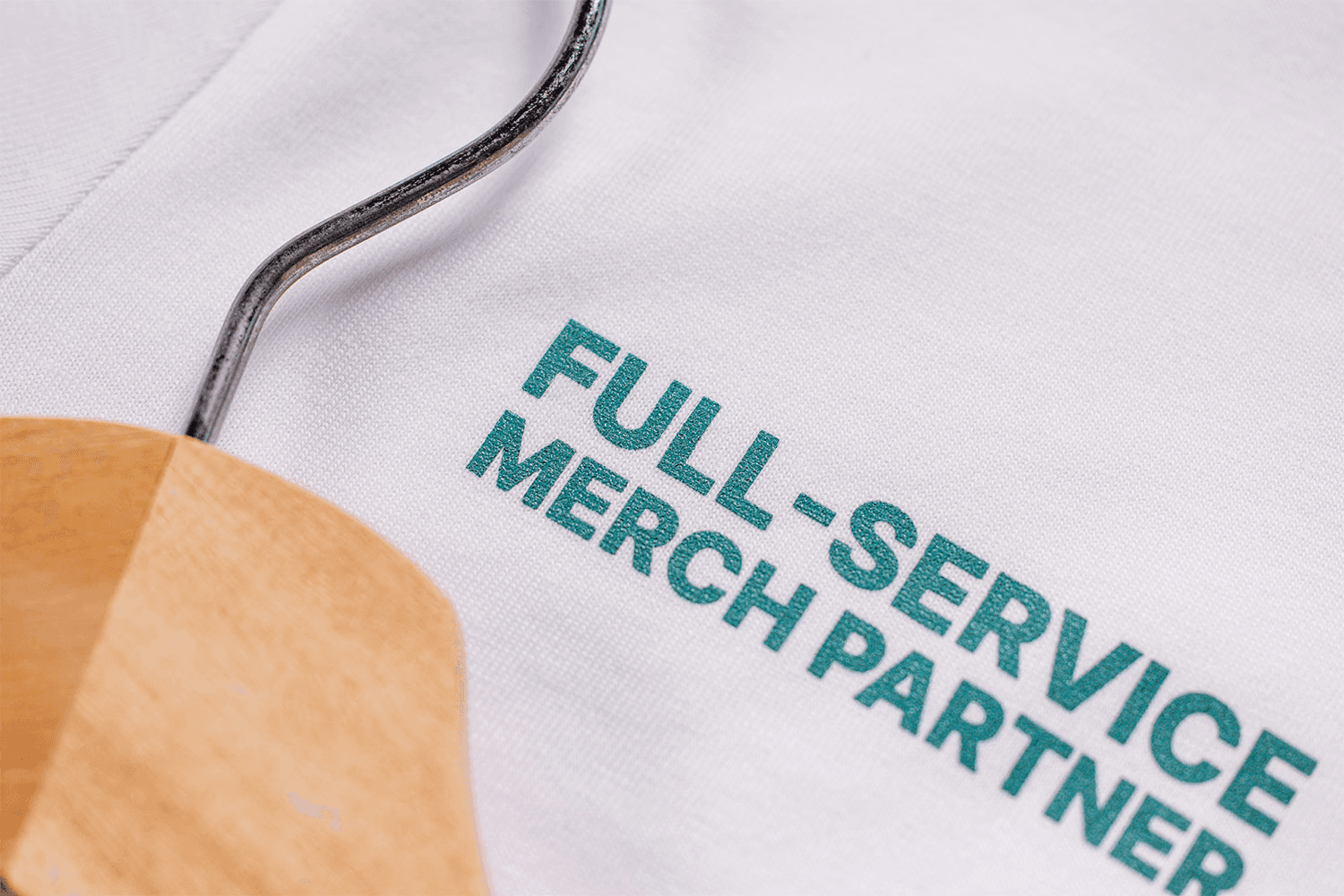
Screen printing applies ink through a mesh screen onto the surface of a product, one colour at a time. It is the most widely used method for high-volume apparel orders and produces bold, vibrant colours.
Advantages | Limitations |
|---|---|
|
|
Best for: T-shirts, sweatshirts, tote bags. Best for orders of 25 units or more with logos that use a limited number of solid colours.
Direct-to-Garment (DTG) Printing
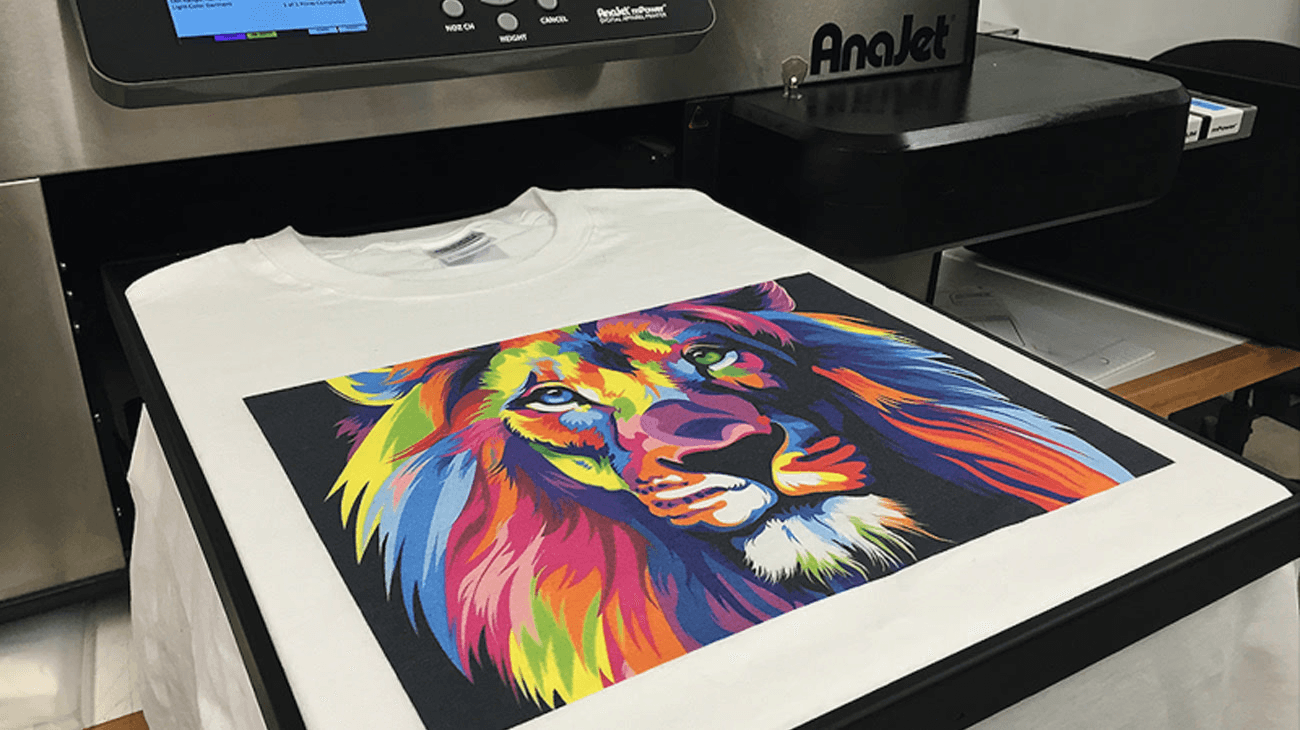
DTG printing works like a standard inkjet printer but on fabric. Ink is sprayed directly onto the textile, allowing full-colour and photographic designs without the screen setup cost. It is the most flexible method for small runs and complex artwork.
Advantages | Limitations |
|---|---|
|
|
Best for: T-shirts, hoodies, tote bags. Best for small orders (1 to 24 units), complex multicolour logos, or situations where you need flexibility without a large minimum.
Heat Transfer / Vinyl Transfer
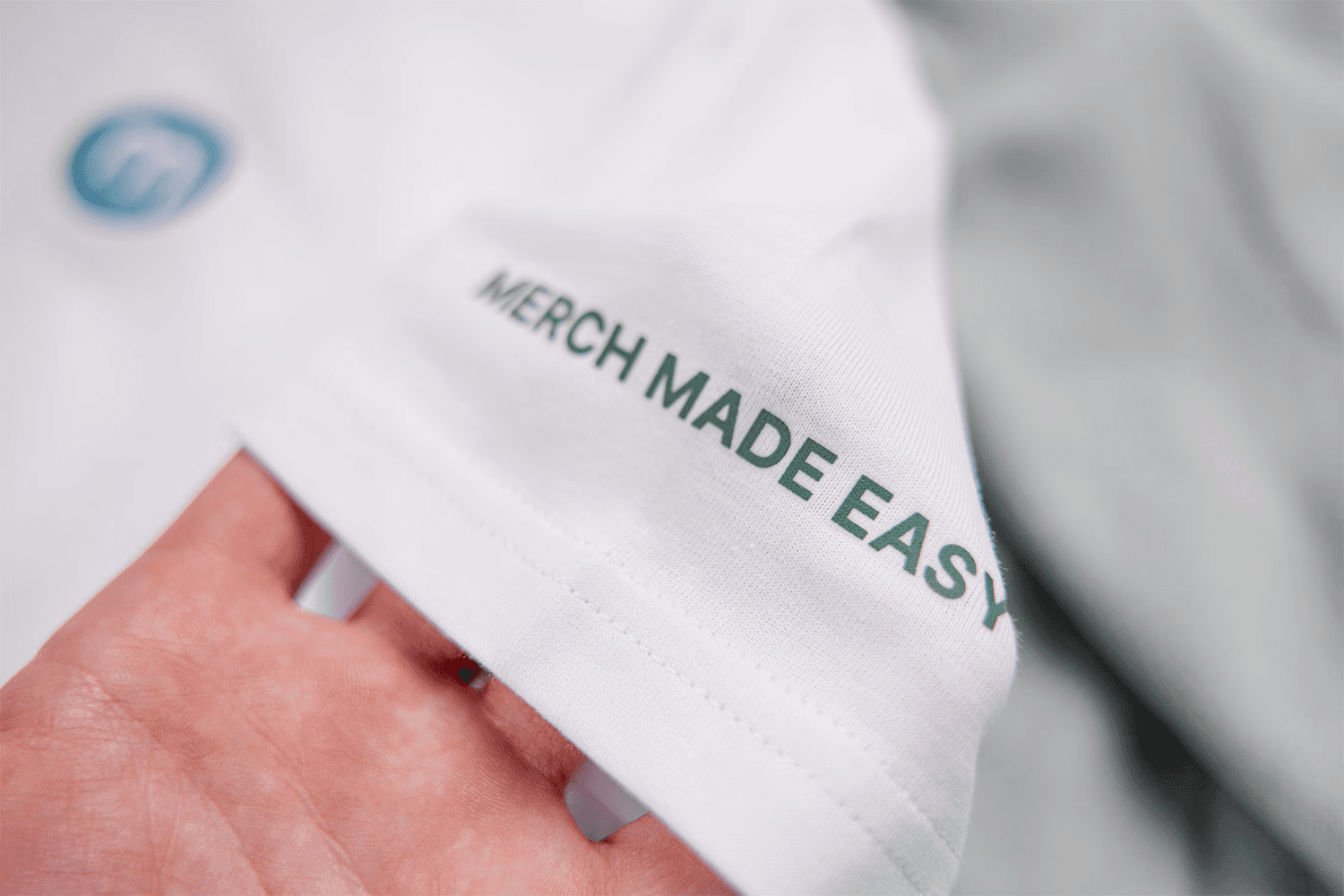
Heat transfer applies a pre-cut or pre-printed design onto a product using heat and pressure. Vinyl transfers are cut from coloured vinyl sheets and applied with a heat press, producing a clean, solid finish.
Advantages | Limitations |
|---|---|
|
|
Best for: Promotional apparel, bags, event merchandise. A practical choice for one-off or very small orders where other methods are not cost-effective.
Pad Printing
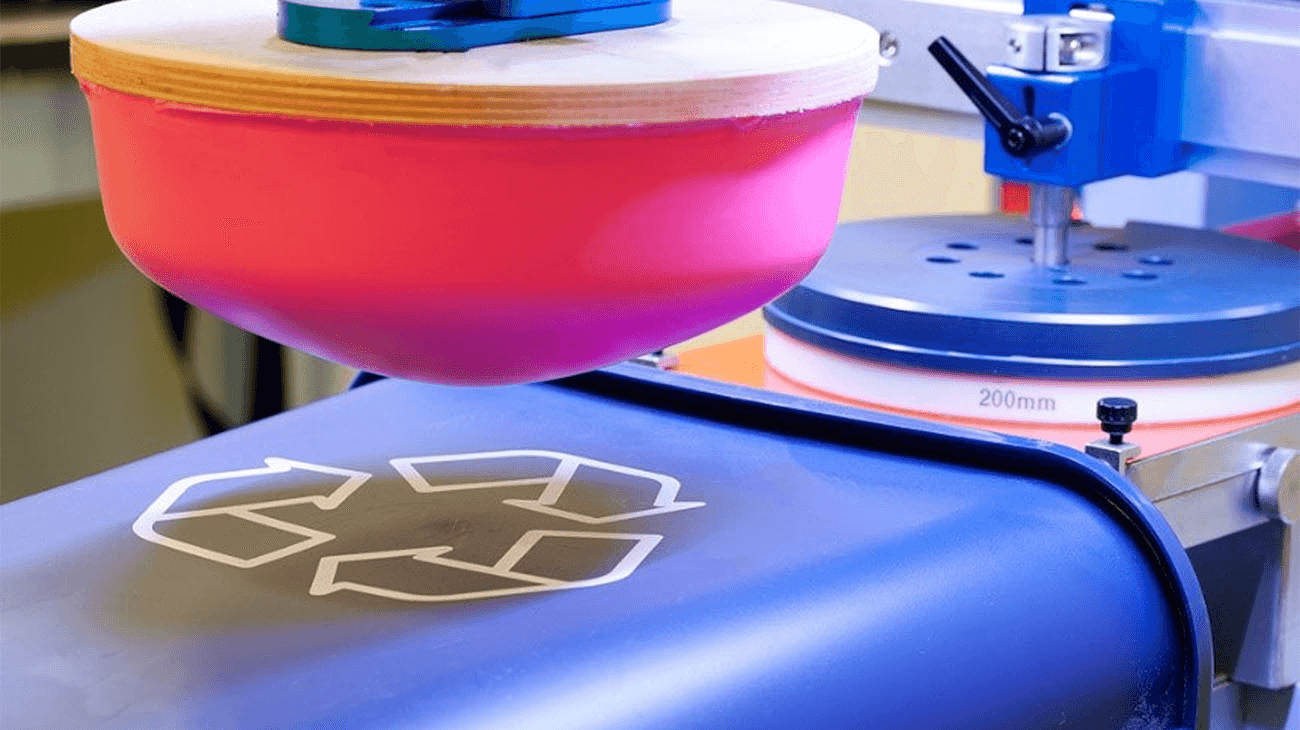
Pad printing transfers ink onto a product surface using a silicone pad. It is the standard technique for printing on hard, irregular, or curved surfaces where flat printing methods cannot reach.
Advantages | Limitations |
|---|---|
|
|
Best for: Pens, keyrings, USB drives, small tech accessories, stress balls, and most small hard promotional items.
Laser Engraving
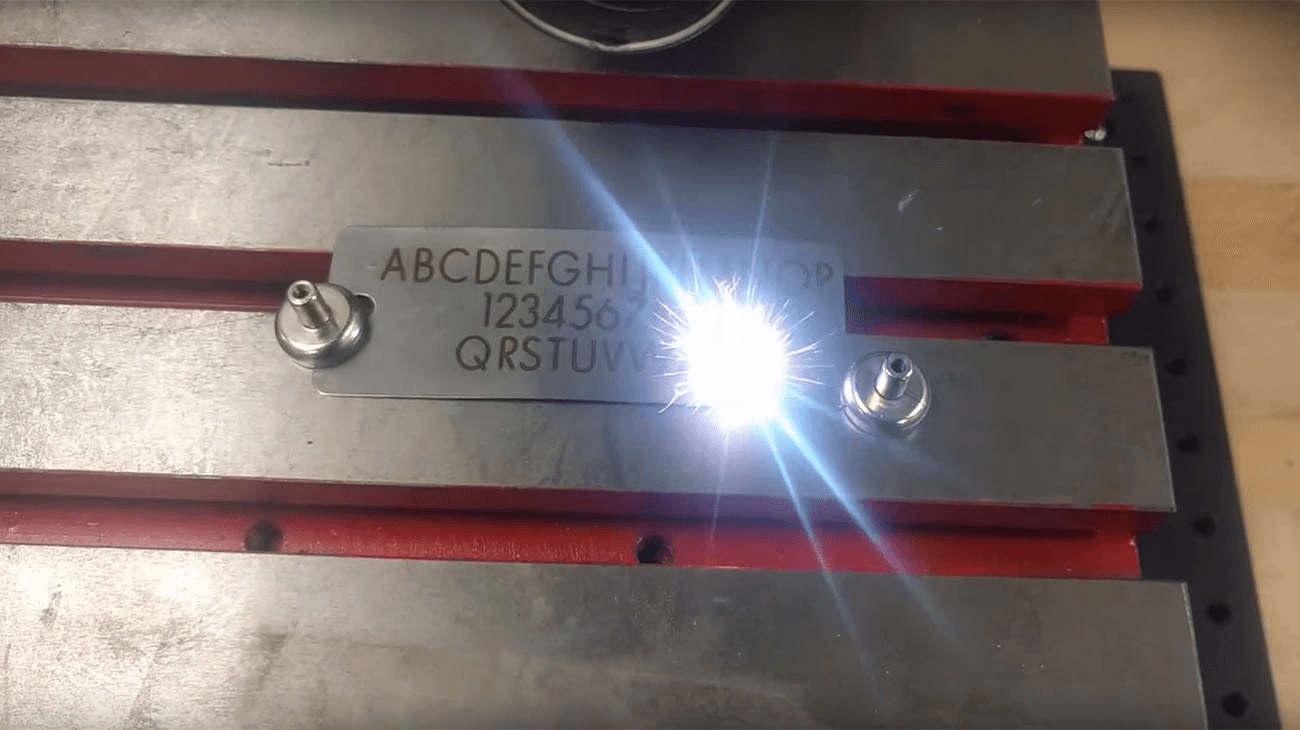
Laser engraving uses a focused laser beam to etch your logo directly into the surface of a product, removing material to create a permanent impression. The result is precise, tactile, and completely permanent.
Advantages | Limitations |
|---|---|
|
|
Best for: Metal water bottles, tumblers, flasks, leather goods, wooden products, glass items, premium business gifts. The preferred choice when the gift needs to feel genuinely high-end.
Full Colour Digital Printing
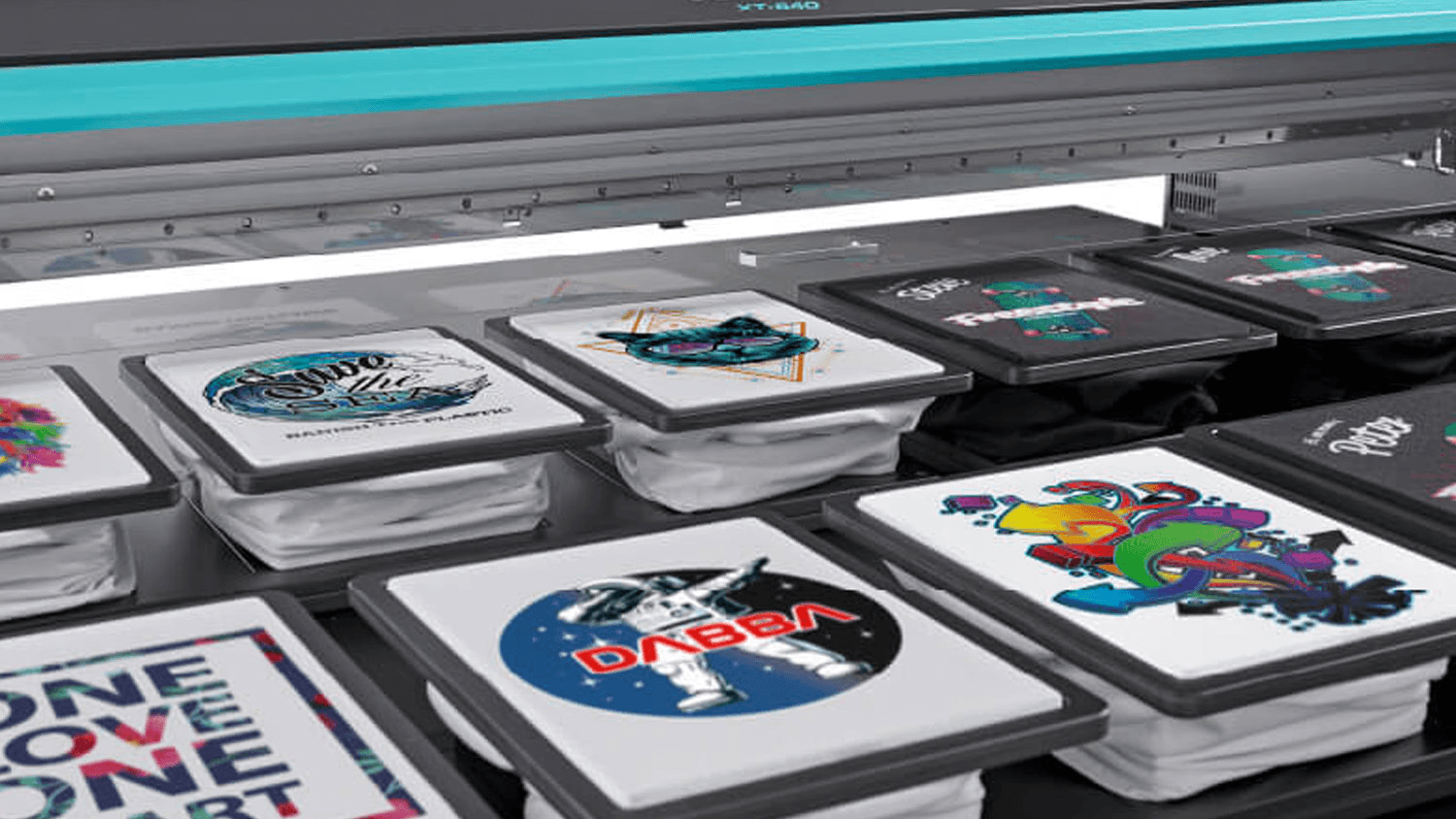
Full colour digital printing applies high-resolution designs directly to the surface of hard goods, packaging, and some textiles. It supports photographic detail and unlimited colour options without setup costs per colour.
Advantages | Limitations |
|---|---|
|
|
Best for: Branded packaging, printed gift boxes, mugs, hard goods, promotional materials, and branded stationery where colour accuracy and detail are priorities.
Worth knowing: When in doubt between techniques, ask your supplier for a sample. Most quality merch providers can show you swatches or examples of a specific method on a specific product before you commit to a full order.
How to Prepare Your Logo File for Print
The quality of the final branded product depends heavily on how your logo file is prepared. Sending the wrong format is one of the most common reasons logos come back blurry, pixelated, or with incorrect colours.
Here is what to know before you submit artwork:
Use a vector file whenever possible
Vector files (AI, EPS, SVG) are built from mathematical paths rather than pixels. This means they can be scaled to any size without losing quality, from a 2 cm pen print to a 2 metre banner. For most printing and embroidery techniques, a vector file is the correct format to send.
If your logo only exists as a JPEG or PNG, it can still be used for some techniques like DTG printing and digital printing, but the resolution must be high enough. For most applications, a minimum of 300 DPI (dots per inch) at the intended print size is required.
Understand your colour codes
Different printing techniques reproduce colour differently. Screen printing and pad printing typically use Pantone (PMS) colours, which are matched precisely to a physical ink swatch. If you do not know your brand's Pantone codes, your colours may shift between print runs or between different products.
For digital printing techniques, CMYK colour values are used. RGB values (used in on-screen design) will not reproduce accurately in print and should be converted to CMYK before submitting.
Pantone (PMS): use for screen printing, embroidery thread matching, pad printing
CMYK: use for digital printing, full colour applications
RGB: for screen use only, do not submit for physical print
Consider the background and placement area
A logo that works well on white paper may not reproduce clearly on a dark navy hoodie, a transparent water bottle, or a textured fleece jacket. Before ordering, confirm how your logo will appear on the specific colourway you have chosen.
Most suppliers will prepare a digital proof for your approval before production. Do not skip this step. A proof approval is your last opportunity to catch placement issues, colour mismatches, or size problems before the order runs.
Create a single-colour version of your logo
Many decoration techniques, particularly embroidery, laser engraving, and some pad printing applications, work in a single colour or a very limited palette.
Having a clean, single-colour version of your logo ready saves time and ensures it translates well across all product types. This is also the version that tends to look most refined on premium items.
Worth knowing: Your brand guidelines should include your logo in full colour, single colour (dark), single colour (reversed white), and ideally in both vector and high-resolution raster formats. If you do not have all of these, it is worth having a designer create them before you start ordering branded merchandise at scale.
Which Products to Put Your Logo On
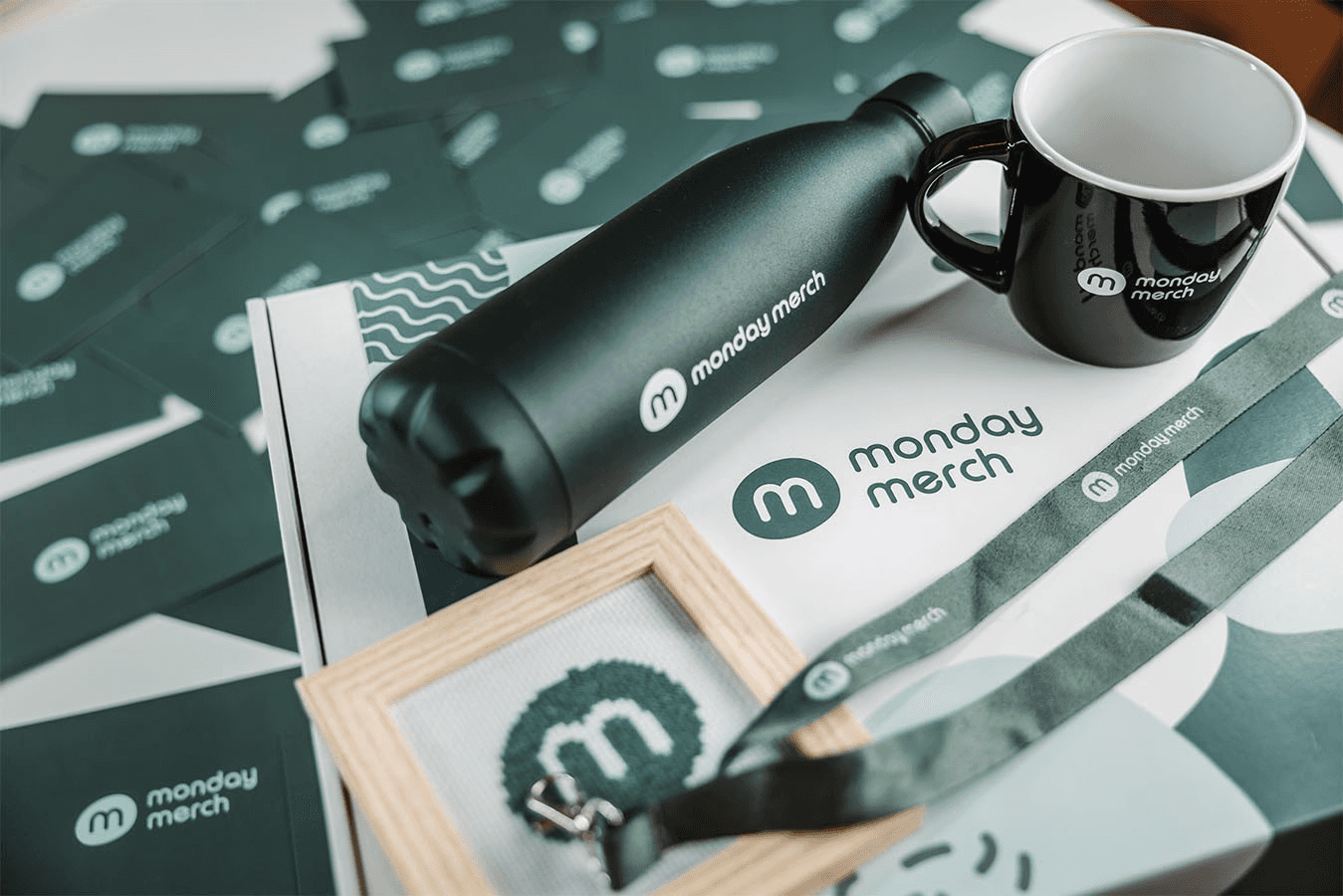
Almost any physical product can carry a company logo, but not every product is equally worth branding. The best branded items share a few characteristics: they are genuinely useful to the recipient, they are visible in everyday settings, they have enough surface area to display a logo clearly, and they are durable enough to remain in use for months or years.
Below is a breakdown of the main product categories and the decoration techniques that work best for each.
Product | Best Technique(s) | Key Consideration |
|---|---|---|
T-shirts and sweatshirts | Screen print, DTG, Heat transfer | DTG for small runs or 25+ units |
Hoodies and jackets | Embroidery, Screen print, DTG | Embroidery gives the most durable result on outerwear |
Caps and beanies | Embroidery | Embroidery is the standard for headwear; avoid printing on curved surfaces |
Tote bags | Screen print, Full colour print, Embroidery | Large flat surface suits screen print well; embroidery elevates quality |
Backpacks and bags | Embroidery, Screen print, Heat transfer | Check the material before choosing technique; nylon requires specific inks |
Water bottles and tumblers | Laser engraving, Pad print, Full colour print | Laser engraving is the most durable on metal; full colour for bold branding |
Mugs | Full colour print, Pad print | Ceramic mugs suit full colour wrap prints; check dishwasher resistance |
Pens and small hard goods | Pad print, Laser engraving | Pad print handles curves well; engraving gives a premium finish on metal pens |
Notebooks and stationery | Full colour print, Debossing, Foil stamp | Debossing and foil stamping give a particularly refined result on leather covers |
Tech accessories and USB drives | Pad print, Laser engraving | Engraving on metal; pad print on plastic; always check surface area |
Branded packaging and gift boxes | Full colour digital print | Print both exterior and interior for maximum impact on unboxing experience |
Socks | Bespoke weave / knit-in design | Custom socks are fully woven to design, not printed; the entire sock is customisable |
The Most Effective Product Categories for Logo Branding
Not all branded products deliver equal value. The ones listed below consistently perform well across visibility, durability, and perceived quality criteria. Each category includes notes on what makes it work and what to consider when ordering.
Apparel: Hoodies, T-shirts, and Jackets
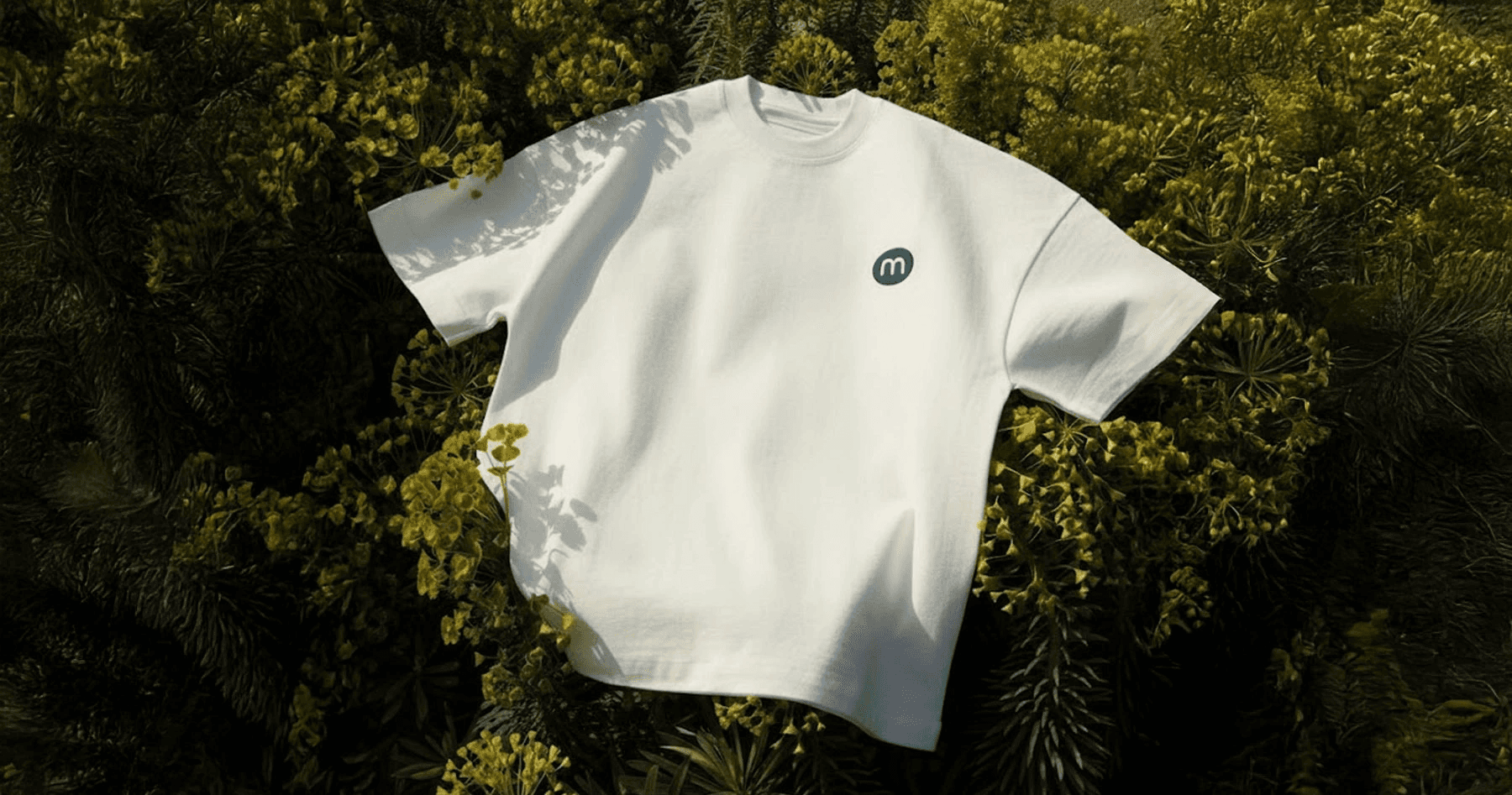
Branded apparel is the highest-visibility category available. Clothing travels everywhere its wearer goes. A quality branded hoodie or jacket worn regularly in public generates more impressions over its lifetime than almost any other single promotional item.
The key variable is quality. A cheap T-shirt with a great logo still communicates cheapness. Mid-to-premium weight fabrics, Sustainable materials, and a well-fitted cut make branded apparel something people genuinely want to wear rather than something they wear once and forget.
Embroidery tends to be the preferred decoration method for outerwear; screen print or DTG works well for T-shirts and lighter pieces.
Drinkware: Bottles, Tumblers, and Mugs
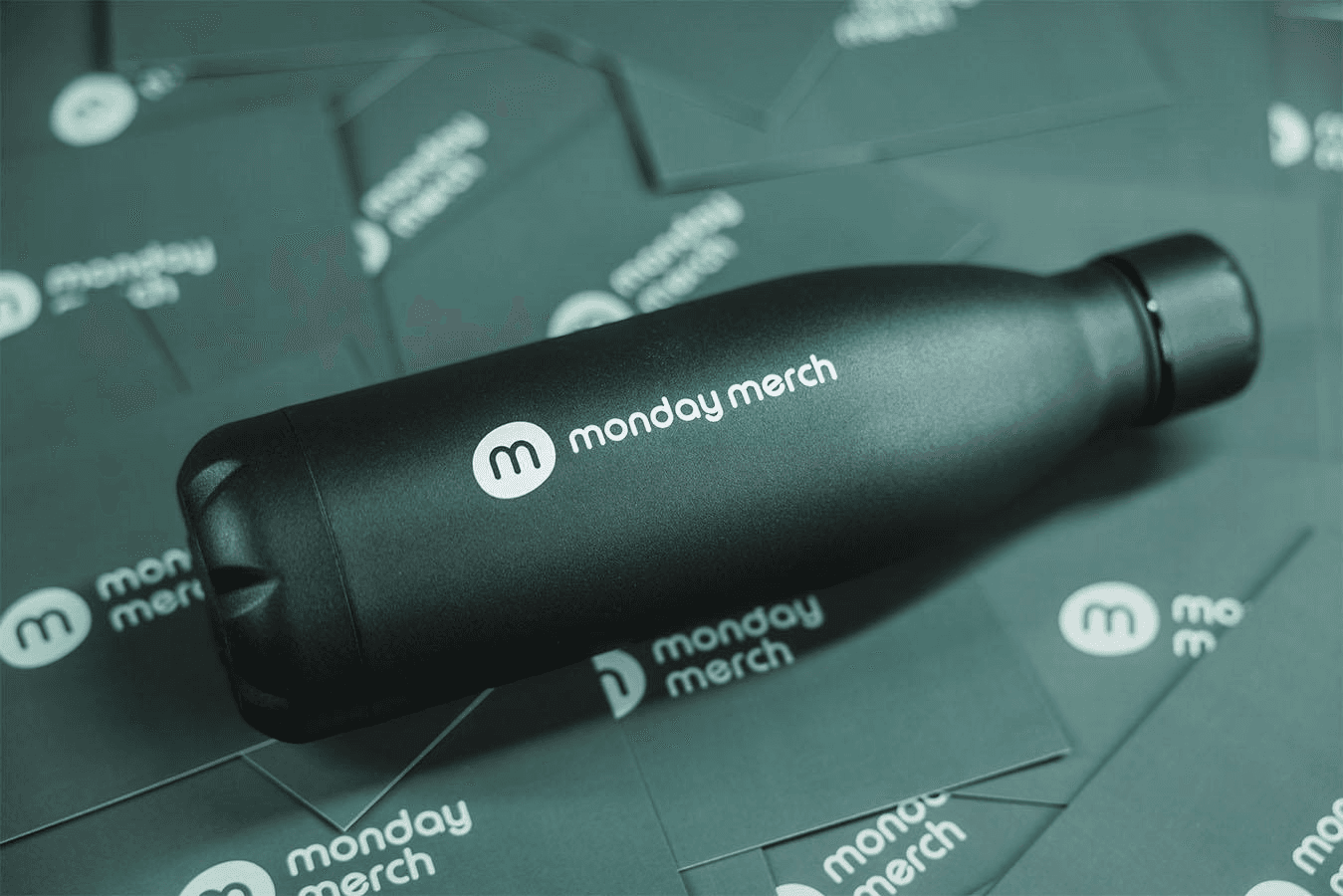
Branded drinkware sits on desks, travels in bags, appears at meetings, and goes to the gym. The daily usage rate is extremely high compared to most other product categories, and the surface area is well-suited to logo placement.
For premium items like insulated stainless steel bottles and tumblers, laser engraving produces a permanent, tactile result that cannot fade or peel. For ceramic mugs, full-colour printing allows for more creative designs including full-wrap artwork. Choose the technique based on what you want the finished item to communicate.
Bags: Totes, Backpacks, and Duffels
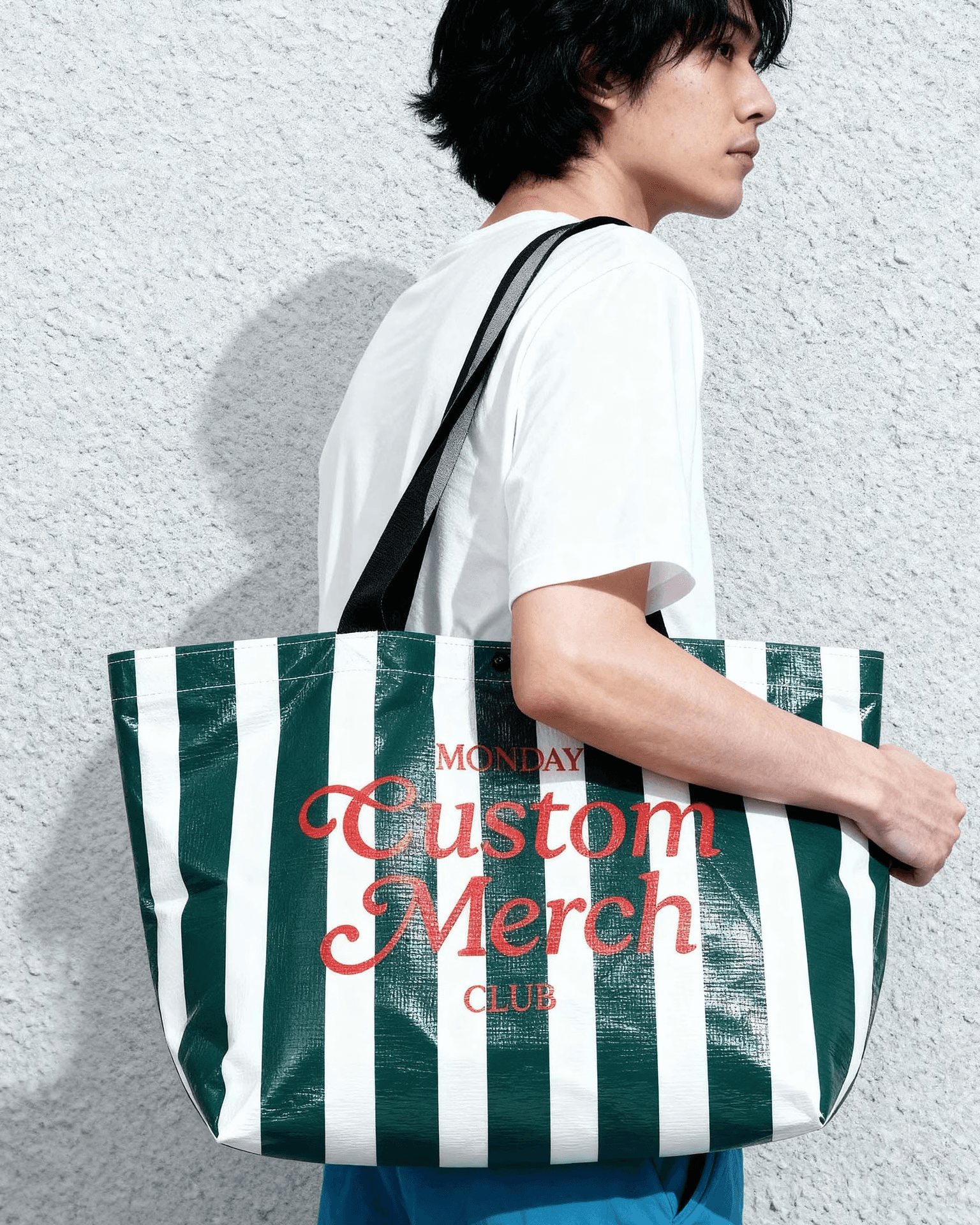
Custom bags are particularly effective for brand visibility because they move through public spaces constantly. A branded tote bag at a supermarket, a backpack on the commute, a duffel at the airport: each generates passive impressions in environments where other advertising cannot reach.
Canvas tote bags are the entry-level option and work well for events and high-volume giveaways. Premium backpacks and laptop bags carry a higher unit cost but make a significantly stronger impression on recipients, particularly for employee welcome packs or client gifts.
Headwear: Caps and Beanies
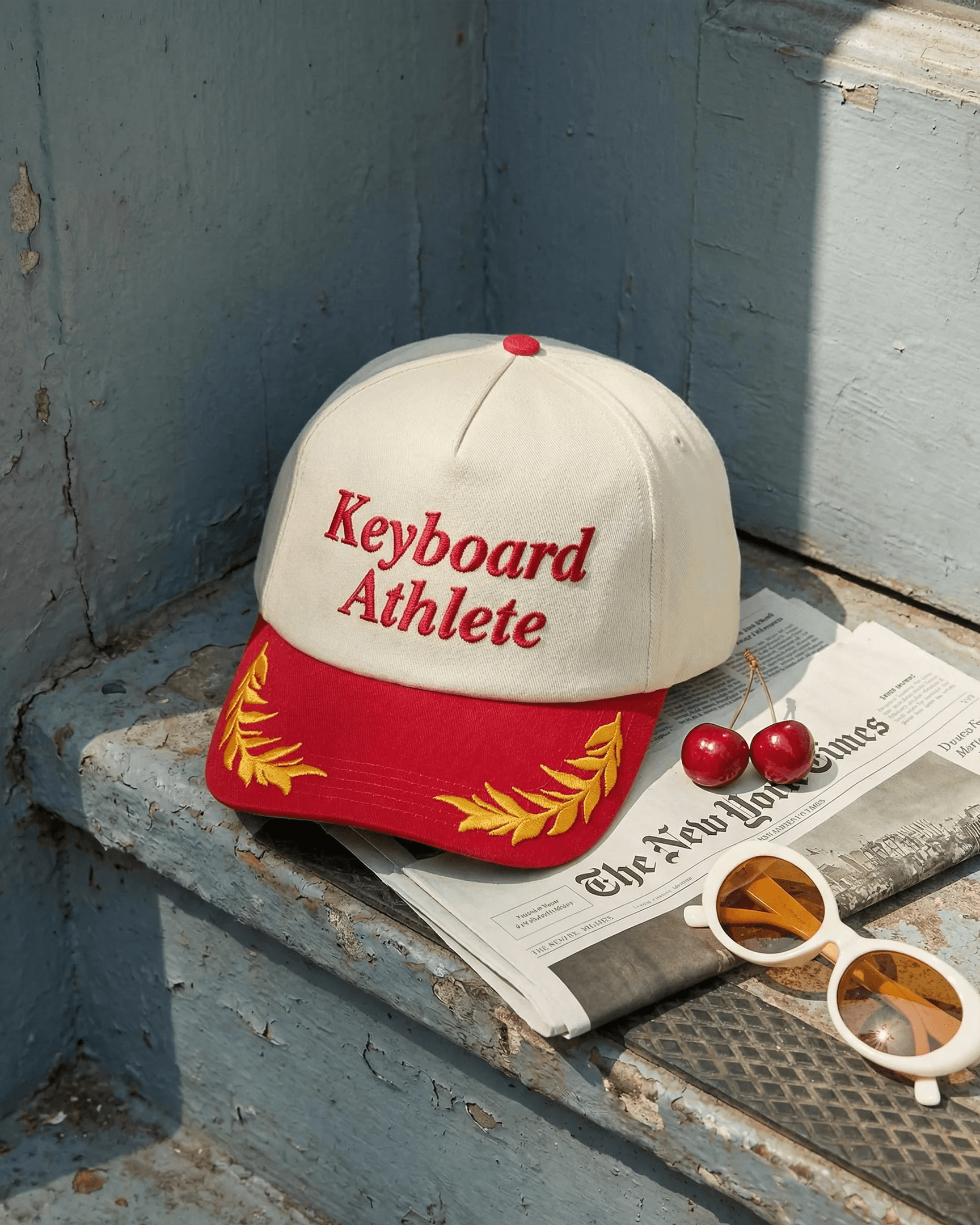
Branded headwear like caps and beanies consistently appear at the top of promotional product engagement studies. They are worn frequently, they are visible at eye level in public, and embroidered logos on quality headwear look polished and intentional rather than promotional.
The technique is almost always embroidery. Printed logos on headwear tend to look cheaper and wear poorly. A well-embroidered logo on a premium cap is one of the cleanest expressions of a brand available in the Merchandise category.
Stationery: Notebooks and Pens
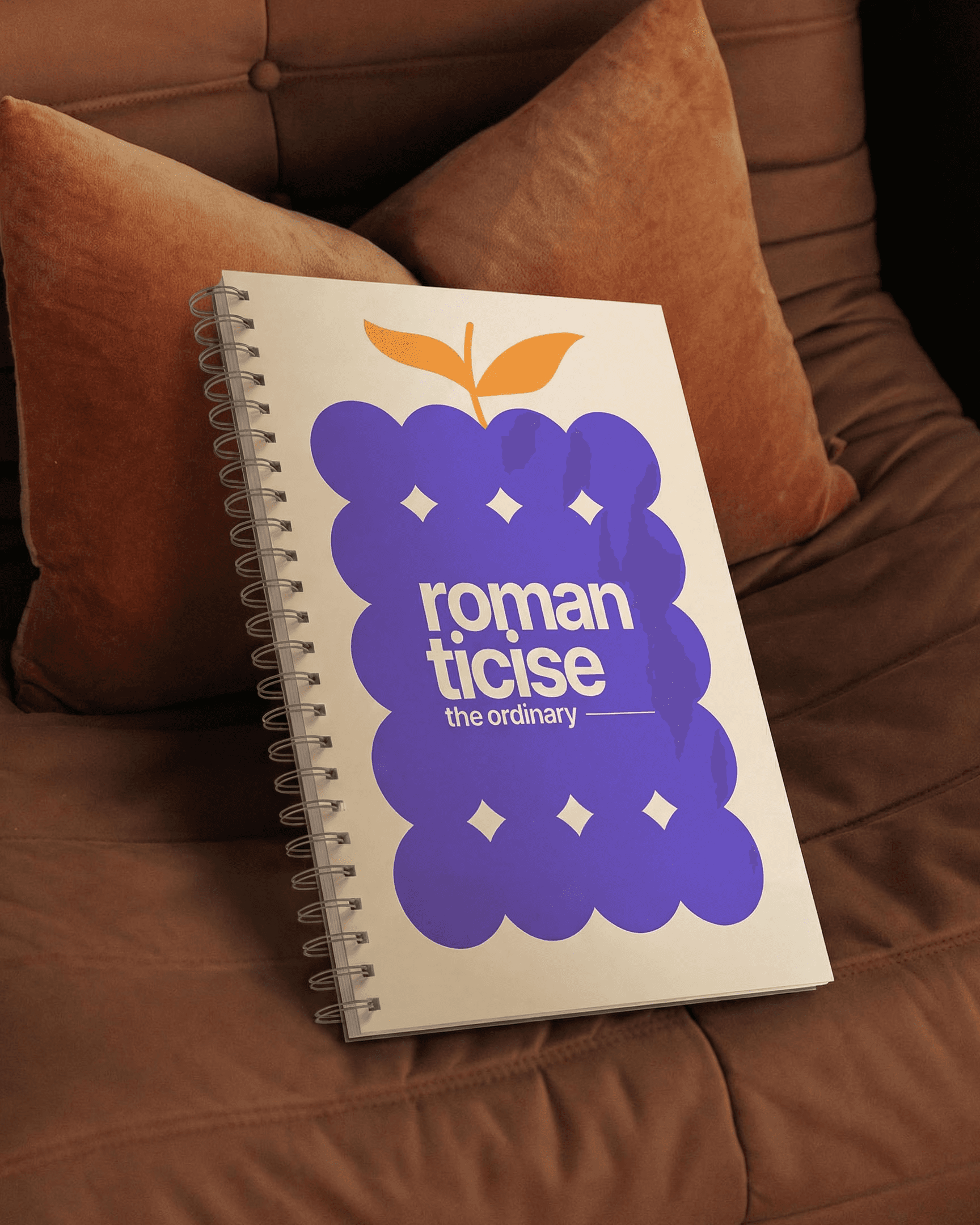
Customised notebooks and pens sit on desks, appear in meetings, and travel in bags. They are particularly effective in B2B contexts where the recipient uses stationery regularly as part of their work.
The quality of the notebook itself matters more than it might seem. A generic spiral notebook with a logo print is a generic item. A premium hardcover notebook with an embossed or debossed cover is something people actually use and keep on their desk.
The distinction between branded stationery that earns respect and branded stationery that gets filed away often comes down to the quality of the base product.
Tech Accessories
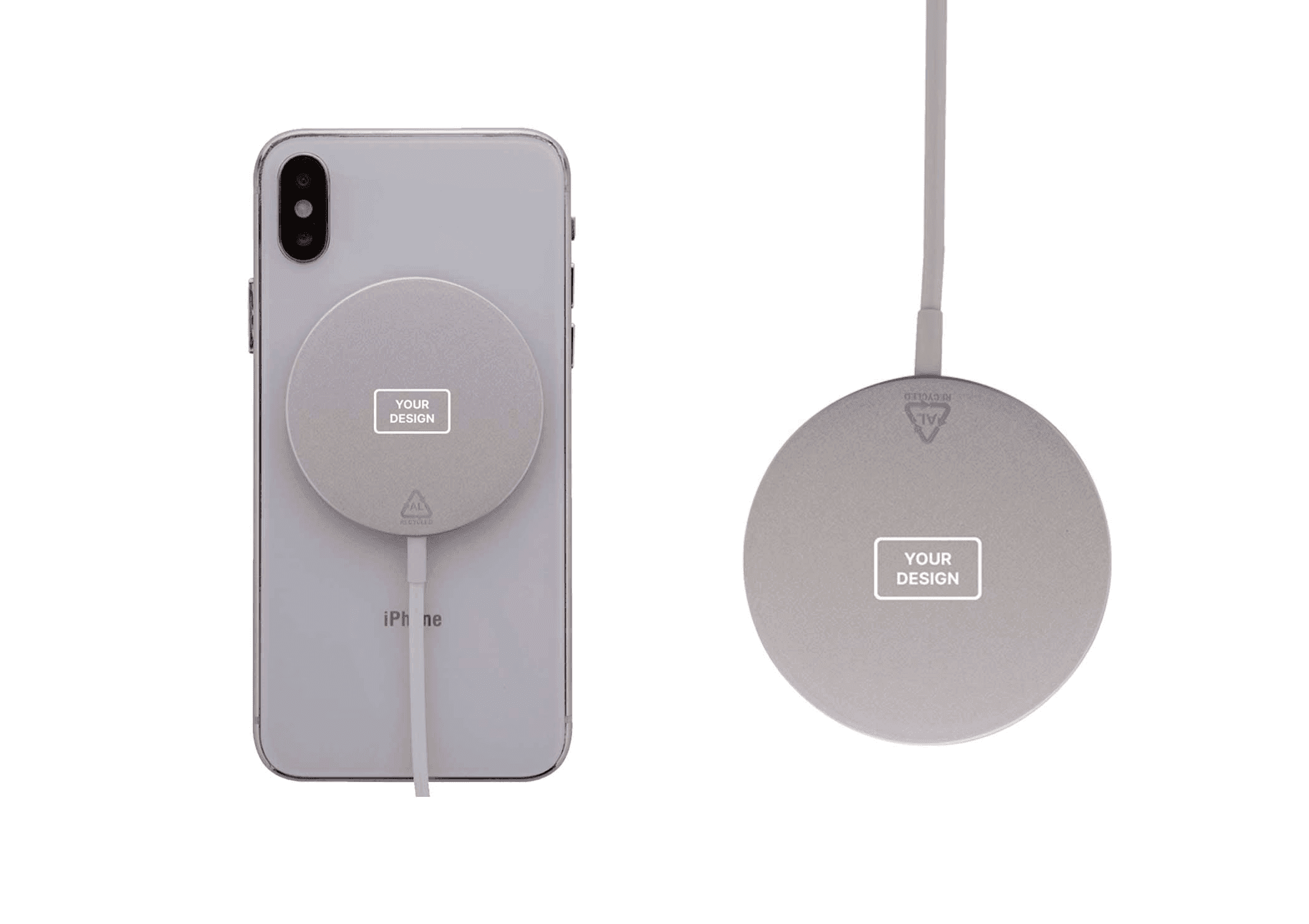
Branded tech accessories like chargers, cables, power banks, and USB drives are useful, visible, and frequently used items. They tend to stay on desks or in bags for long periods, providing sustained brand exposure in work environments.
The surface area on most tech accessories is small, which means your logo needs to be clean and simple. Complex or detailed logos reduce poorly at small sizes. A single-colour version of your logo, clearly legible at 1 to 2 cm, is the right artwork to use on small tech items. Laser engraving on metal finishes produces an excellent result; pad printing works well on plastic surfaces.
Common Mistakes to Avoid When Ordering Branded Products
Avoid costly errors by learning the common mistakes when ordering branded products. From choosing the wrong products to poor logo placement, this section covers what to watch out for to ensure your custom Merchandise reflects your brand perfectly.
Ordering before you have the right logo files
The most frequent source of delays and quality problems is submitting logo files that are not print-ready. Raster files at low resolution, RGB colour profiles, and logos without clear spacing guidelines all cause problems in production. Prepare your artwork before you contact a supplier.
Choosing the product before the technique
A great product idea can be undermined by the wrong decoration choice. A complex multicolour logo screen printed onto a textured fabric may look flat and unclear. The same logo laser engraved on a premium metal bottle looks exceptional. Think about what technique the product is best suited to, and then consider how your logo will translate in that technique.
Prioritising low unit cost over product quality
Cheap branded Merchandise often costs more in the long run. Products that break, fade, or get thrown away generate a single interaction and then nothing. Products that are genuinely good generate years of impressions and positive brand associations. Investing in fewer, better items typically outperforms ordering large volumes of low-quality Merchandise.
Skipping the proof approval
Most suppliers provide a digital proof before production begins. This is your opportunity to confirm placement, size, colour, and spelling before the order is manufactured. Skipping this step to save time is one of the most common causes of reprints and avoidable costs. Always approve the proof.
Not accounting for lead time
Branded products require production time. Most standard orders need 10 to 25 days from artwork approval to delivery. Orders involving premium brands, complex embroidery digitisation, or custom packaging take longer. Building in four weeks for important orders removes deadline pressure and avoids the cost of expedited production.
Using different logo versions across products
Inconsistent branding across a product range undermines the visual identity you are trying to build. A different shade of blue on the bag versus the bottle, a slightly different logo lockup on the hoodie versus the notebook: these small inconsistencies add up. Define which version of your logo and which exact colour codes apply to each product category, and document this in a simple brand guide that your supplier works from.
Frequently Asked Questions about Printing Company Logo on Products
What file format should I send for logo printing?
Vector files are the best choice for most techniques. These include AI (Adobe Illustrator), EPS, and SVG formats. They can be scaled to any size without quality loss. If you only have a raster file (JPEG or PNG), it needs to be at least 300 DPI at the intended print size. For embroidery specifically, the supplier will convert your artwork into a stitch file (DST or EMB format), which is called digitisation.
What is the minimum order quantity for branded products?
It depends on the product and the technique. DTG printing on garments can be done for a single unit. Screen printing typically requires a minimum of 25 to 50 units to make the per-colour setup costs worthwhile. Embroidery often starts at 10 to 25 units. Many suppliers offer flexibility for premium items, particularly for client gift orders. It is always worth asking about single-unit minimums for important occasions.
How do I know which colour my logo will print as?
Provide your Pantone (PMS) colour codes to your supplier. If you do not have Pantone codes, ask your designer to identify them from your existing brand guidelines. Without Pantone references, colour matching relies on the supplier's judgement and monitor calibration, which can produce inconsistent results across different orders or suppliers.
Can I print on both sides of a garment?
Yes. Most garments can be decorated on both the front and back, and many include options for sleeve placement. Each additional print location is typically priced separately. Define your placement requirements clearly in the brief so the supplier can quote accurately.
How long does branded Merchandise last?
Durability varies by technique and care. Embroidered logos on apparel last as long as the garment itself with no fading. Screen printed and DTG printed logos remain in good condition for 50 or more washes with proper care (cold wash, inside out, no tumble drying). Laser engraved logos on metal are permanent and do not fade under any normal use conditions.
What is the difference between a sample and a proof?
A digital proof is a mock-up showing how your logo will look on the product, created before production begins. It is typically produced within 24 to 48 hours and costs nothing. A physical sample is an actual manufactured unit produced before the full order runs, which involves a production cost and longer lead time. For high-volume or high-value orders, requesting a physical sample before approving the full run is a reasonable precaution.
Can I brand products with multiple colours in my logo?
Yes, but the technique determines how many colours are practical. Screen printing charges per colour, so a four-colour logo costs more than a two-colour one. DTG printing and full colour digital printing handle unlimited colours at a single cost. Embroidery can accommodate multiple thread colours but works best when the logo is not overly complex. If your logo has many colours, discuss options with your supplier before deciding on a technique.
Choosing the Right Approach for Your Brand
Printing your company logo on products is straightforward when you approach it with the right preparation. The technique, the product quality, the file format, and the decoration placement all contribute to how the final item represents your brand. Getting these decisions right means your branded Merchandise works as a genuine marketing tool, not just a giveaway that gets forgotten.
The businesses that get the most value from branded Merchandise tend to share a few habits: they invest in product quality, they use consistent artwork and colour references, they work with suppliers who provide proper proofing, and they think about where the item will actually end up in the recipient's life before they choose what to order.
A branded item in someone's hands for two years is worth far more than twenty cheap items that disappear in a week.
Ready to Put Your Logo on Products?
Monday Merch is a full service corporate Merchandise partner that handles everything from product selection and logo application to production, warehousing, and global delivery.
Our team provides free design mockups within 24 hours so you can see exactly how your logo will look before committing to an order.
Free design proposals within 24 hours. All decoration techniques available. Global delivery to individuals or offices. Browse the full product catalogue and talk to the team today!
Read more about how to effectively use company swag or merch Packs for your business.


