

3
Minimum Read

Conflict is not a sign of a failing workplace. It is a natural consequence of people with different backgrounds, priorities, communication styles, and goals working closely together. What separates high-performing organisations from struggling ones is not the absence of conflict. It is what they do with it.
Conflict resolution is the skill of addressing disagreements constructively, turning friction into an opportunity for genuine collaboration and stronger working relationships. When handled with empathy, structure, and a genuine desire to find common ground, conflict builds trust rather than eroding it.
This guide covers the most important conflict resolution skills every employee should develop, the types of workplace conflict most commonly encountered, proven resolution strategies, and the role that structured recognition and team culture programmes play in preventing conflict before it takes root.
What Is Workplace Conflict?
Workplace conflict is more than a disagreement over a task or a personality clash between two colleagues. It is any situation where differences in goals, values, communication styles, or resource needs create tension that, if left unresolved, begins to affect productivity, wellbeing, and team cohesion.
Understanding that conflict is normal and manageable is the first and most important shift in perspective. Organisations that treat every conflict as a crisis create cultures of avoidance, where problems go underground rather than being addressed. Organisations that treat conflict as a normal part of working life, and invest in the skills and structures to navigate it constructively, consistently build stronger, more resilient teams.
Types of Conflict Employees May Face
Recognising the specific type of conflict you are dealing with helps you choose the right response. Not all conflicts are the same, and applying the wrong resolution approach can make a situation worse rather than better.
Interpersonal conflict happens between two colleagues and typically stems from differences in communication style, working preferences, or personal values. It creates individual tension and spreads to the broader team if not addressed quickly.
Intragroup conflict occurs within the same team and often involves disagreements about roles, deadlines, workload distribution, or how to approach a shared project. It can stall progress and damage morale across the whole group.
Intergroup conflict develops between two different departments or teams, frequently driven by competition for shared resources, different priorities, or misaligned goals. It is particularly damaging because it creates us-versus-them dynamics that undermine organisational cohesion.
Organizational conflict involves disputes linked to company policies, leadership decisions, or structural issues. These typically require formal resolution mechanisms and leadership ownership to address effectively.
Cross-cultural conflict emerges from genuine differences in cultural norms, communication expectations, or values. It requires cultural sensitivity and deliberate effort to understand perspectives that differ significantly from your own.
Core Conflict Resolution Skills Every Employee Should Build
These five skills reduce both the frequency and the severity of workplace conflict. They are learnable, improvable, and directly transferable across every role and industry.
Active listening is the foundation of every productive conflict conversation. It means giving someone your full attention, reflecting back what you have heard, and resisting the urge to formulate your response while they are still speaking. People who feel genuinely heard are significantly more willing to find mutually acceptable solutions.
Clear, respectful communication prevents the misunderstandings that cause most workplace conflict in the first place. Employees who express their needs calmly and specifically, without accusation or escalating language, keep conversations productive even when the topic is difficult.
Empathy is the ability to understand another person's perspective without necessarily agreeing with it. Acknowledging that someone's concern is real and valid, even when you see the situation differently, changes the emotional temperature of a conflict conversation immediately.
Emotional intelligence means staying aware of your own emotional state during a difficult conversation and managing your reactions rather than being driven by them. Leaders and employees with high emotional intelligence can navigate tense moments without letting their feelings take control of the discussion.
Problem-solving orientation shifts the focus of a conflict conversation from who is right to what the best outcome would be for everyone involved. It treats the disagreement as a shared problem to be solved together rather than a competition to be won.
These skills grow through deliberate practice, role-play exercises, and structured training programmes. Acknowledging employees who develop and model these skills through meaningful recognition reinforces their value across the organisation.
A well-chosen recognition gift communicates that the organisation notices and values the behaviours it wants to see replicated. A quality branded t-shirt given as part of a training milestone or team culture programme is a tangible and wearable reminder of shared values.

Premium Organic Cotton T-Shirt Made from premium organic cotton by Stanley/Stella. Available in multiple colours. Production time approx. 11 business days. A comfortable, sustainably produced branded t-shirt that employees choose to wear by preference, making it a strong training milestone gift or team culture recognition item.
Models and Frameworks That Guide Conflict Resolution
Structured models give both employees and leaders a reliable framework for navigating disputes fairly and consistently.
The Thomas-Kilmann Conflict Mode Instrument identifies five conflict-handling styles: competing, collaborating, compromising, accommodating, and avoiding. Understanding which style you default to, and when each style is most appropriate, dramatically improves the quality of your conflict responses.
The Harvard Negotiation Project, which produced the widely read framework for principled negotiation, argues for focusing on underlying interests rather than stated positions. Most conflicts are solvable when the parties understand what each person actually needs, as opposed to what they initially demanded.
Transformative mediation prioritises empowerment and mutual recognition. It is particularly effective for interpersonal and cross-cultural conflicts where restoring the relationship matters as much as resolving the immediate issue.
Human Needs Theory, developed by John Burton, suggests that many persistent conflicts are driven by unmet fundamental needs such as security, recognition, or belonging. Addressing those needs directly produces more durable resolutions than surface-level agreements.
Conflict Resolution Strategies for Employees
Win-win negotiation focuses on finding solutions that genuinely work for both parties rather than leaving one side feeling they lost. It requires creativity, patience, and a willingness to understand what the other person actually needs from the outcome.
Compromise is useful when a full win-win solution is not achievable within practical constraints. Both sides give something up in exchange for a workable middle ground. It reduces tension and keeps work moving even when perfect agreement is not possible.
Collaboration brings both parties together to generate solutions jointly. It takes more time than compromise but produces more creative outcomes and a stronger sense of shared ownership in the result.
Conflict coaching involves working with HR or a trusted mentor to develop better skills and confidence for handling future disputes independently. It is particularly valuable for employees who find confrontational conversations difficult or who have a history of escalating rather than resolving conflicts.
Third-party mediation brings in a neutral person to facilitate dialogue when direct conversations have broken down or become too emotionally charged to manage without support. A skilled mediator helps both parties articulate their needs and move toward a workable resolution without taking sides.
Why Unresolved Conflict Is Expensive
The business case for investing in conflict resolution skills is not abstract. Research consistently shows that unresolved workplace conflict costs organisations an estimated USD 359 billion annually in lost productivity alone. That figure does not include the costs of increased turnover, recruitment, retraining, legal exposure from unaddressed harassment or discrimination complaints, or the reputational damage to employer brand that persistent toxic dynamics create.
Addressing conflict proactively, before it escalates into formal complaints, turnover decisions, or legal action, is almost always faster, cheaper, and better for everyone involved.
How Branded Merchandise Supports a Culture That Prevents Conflict
The most effective conflict prevention strategy is building a workplace culture where people feel genuinely valued, clearly recognised, and psychologically safe enough to raise concerns before they become conflicts.
Recognition programmes that consistently celebrate individual and team contributions reduce two of the most common drivers of workplace conflict: the sense of being invisible and the resentment that builds when effort goes unacknowledged. Monday Merch works with more than 6,000+ global companies to design and deliver branded recognition merchandise that reinforces this culture at scale. Here are 14 additional products from the Monday Merch catalogue, each unique, that work well across team recognition, training milestone, and culture-building programmes:
2. Screw Lid Coffee Cup 350ml
A daily-use branded reusable coffee cup that sits on employees' desks throughout the working week. Used in morning team meetings, collaborative sessions, and focused work time, it generates consistent brand impressions in a positive, everyday context.
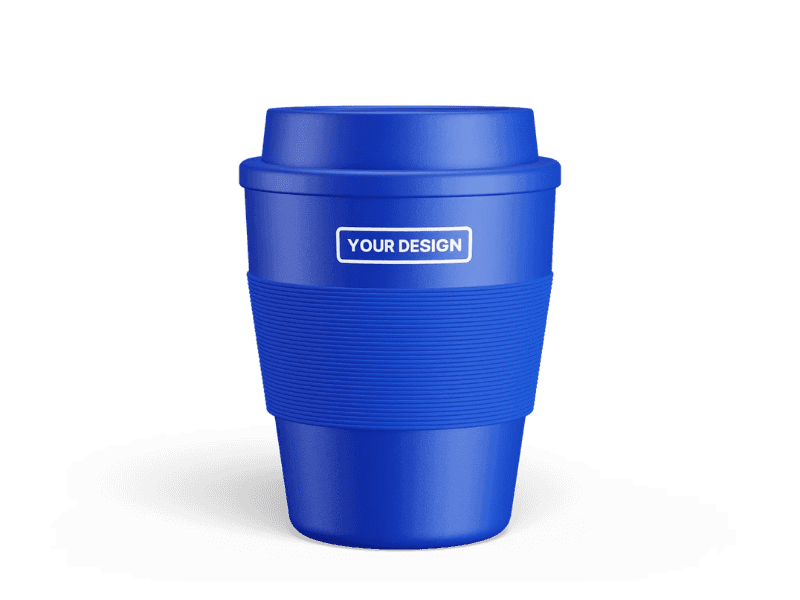
Screw Lid Coffee Cup 350ml A best-selling, recyclable 350ml branded coffee cup with a secure screw lid and silicone sleeve. Dishwasher and microwave safe. Production time approx. 10 business days. An ideal everyday desk item for team welcome kits, training programme completions, and culture-building recognition moments.
3. Grip Coffee Cup
For teams where the coffee break is a genuine moment of informal connection and relationship-building, a quality branded coffee cup associated with those positive interactions builds exactly the kind of social goodwill that makes conflict less likely to escalate.
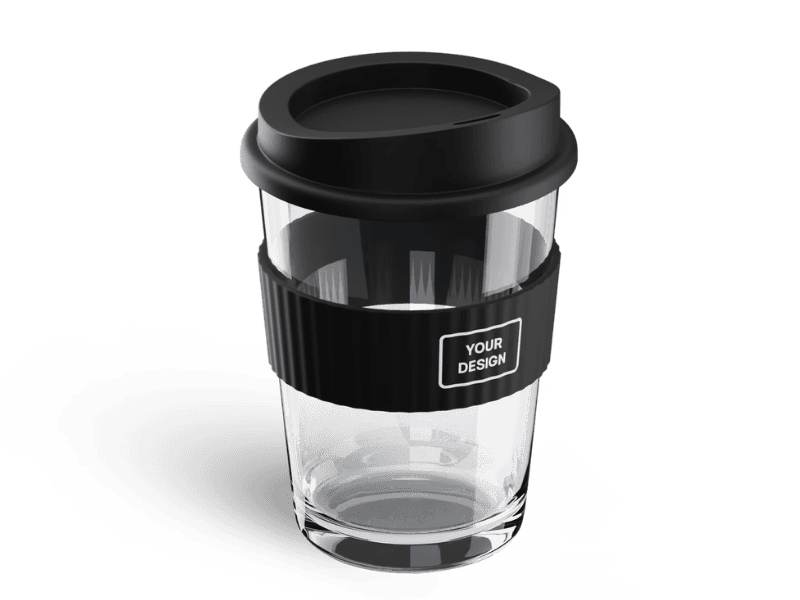
Grip Coffee Cup A best-selling, BPA-free branded tumbler with a glass-like appearance, microwave-safe design, and customisable colours. Sustainable. Production time approx. 21 business days. A distinctive daily-use cup that stands out from standard mugs and creates a positive brand association at every coffee break.
4. Bamboo Cup 300ml
A sustainably certified branded cup that communicates environmental values while serving as a practical daily-use item. Gifting eco-certified merchandise as part of a recognition programme signals organisational values in a way that words alone never can.

Bamboo Cup 300ml A sustainable 300ml branded cup made from GRS-certified recycled materials with a bamboo lid. BPA-free. Production time approx. 10 business days. An eco-forward team gift that pairs well with wellness-focused recognition programmes and culture kits built around organisational sustainability values.
5. Trending Tea
Creating a genuine team ritual around a shared break, including a quality branded tea selection, gives teams deliberate downtime to decompress, connect informally, and rebuild the social trust that makes difficult conversations easier when they need to happen.
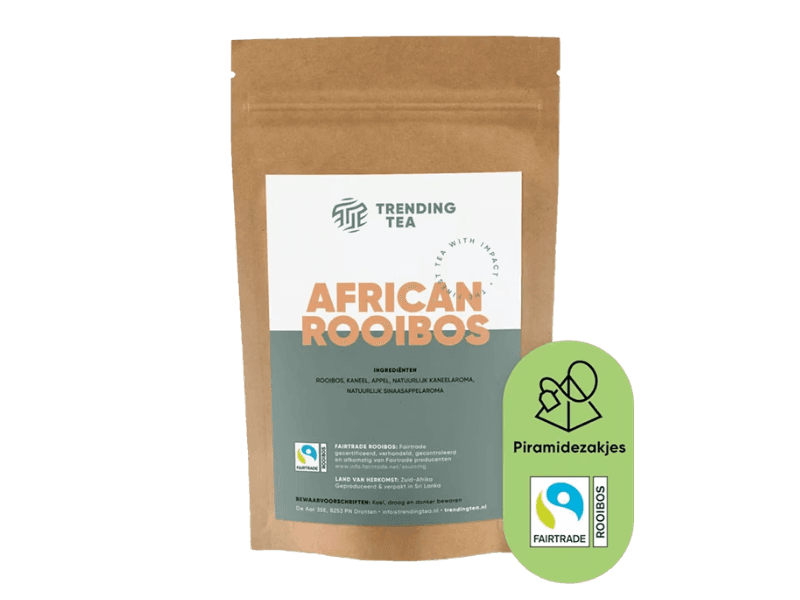
Trending Tea A premium branded tea selection that elevates team break moments and makes a thoughtful, universally enjoyed appreciation gift. Ideal for desk kits, culture recognition packs, and team celebration moments. A food and beverage gift that creates a positive shared experience immediately upon receipt.
6. Puffer Vest
A quality branded puffer vest sits within employee achievement award value thresholds and delivers strong daily brand impressions as wearable outerwear that employees choose to wear during commutes, events, and outdoor team activities.
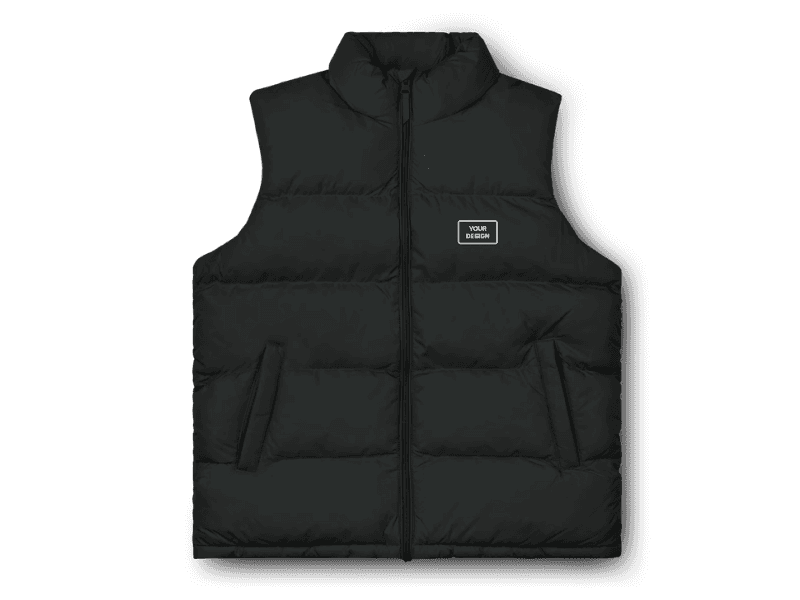
Stanley Puffer Vest A premium branded puffer vest from Stanley with a secure nylon coil zip and stand-up collar. Available in Black. Production time approx. 8 business days. A strong milestone recognition gift for employees completing leadership programmes, team building initiatives, or long-service milestones.
7. Premium Shirt
A well-fitted, sustainably made branded shirt communicates professional credibility and organisational investment in the people who wear it. For conflict resolution training graduates or HR programme completions, a quality branded shirt makes the milestone feel genuinely meaningful.
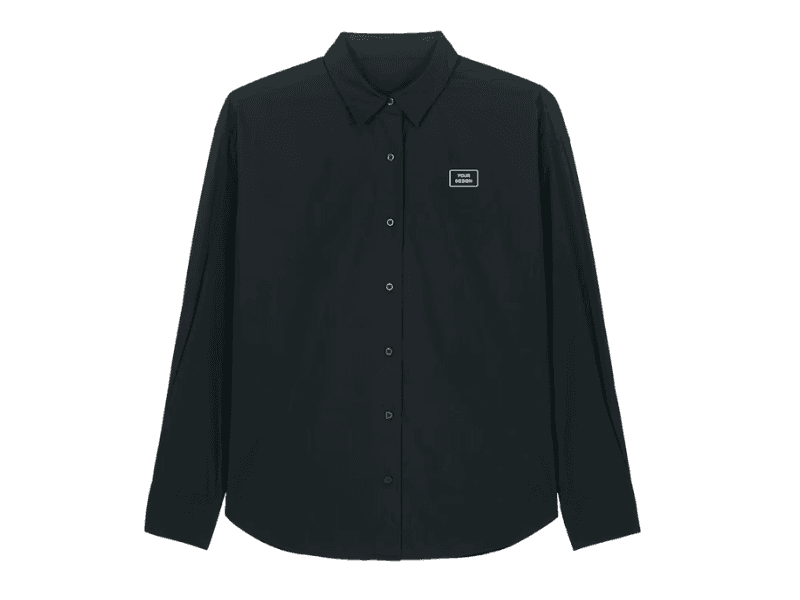
Premium Shirt A sustainable, well-crafted branded shirt available in White and other colourways. Production time approx. 15 business days. A professional recognition gift for training programme graduates, team leads, and employees who model the collaborative culture behaviours the organisation wants to reinforce.
8. Side Pockets Hoodie
A comfortable, everyday branded hoodie made from recycled cotton that employees wear in and out of the office. Gifting quality apparel as a team culture or recognition item builds the kind of visible team identity that makes belonging feel real.
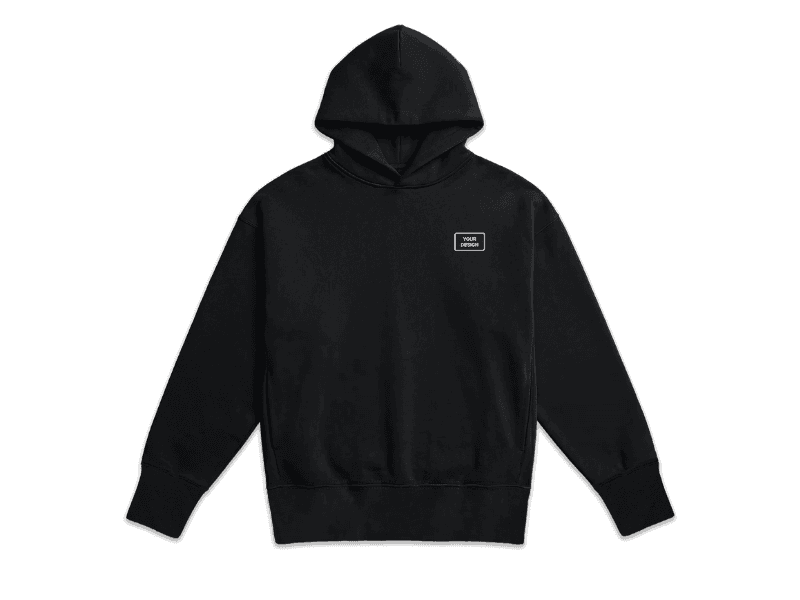
Side Pockets Hoodie Made from recycled cotton for eco-friendly comfort. Available in Black. A casual, wearable branded hoodie that employees reach for on collaborative work days, team events, and remote work sessions. Production time approx. 14 business days. A strong team culture gift for onboarding, training completions, and milestone recognition.
9. Bespoke Sport Socks
Low-cost, personal, and genuinely appreciated. Branded sport socks are a straightforward de minimis recognition gift that communicates care without requiring a significant budget. For teams going through intensive training or culture-building programmes, they work well as a light-hearted celebration of shared effort.
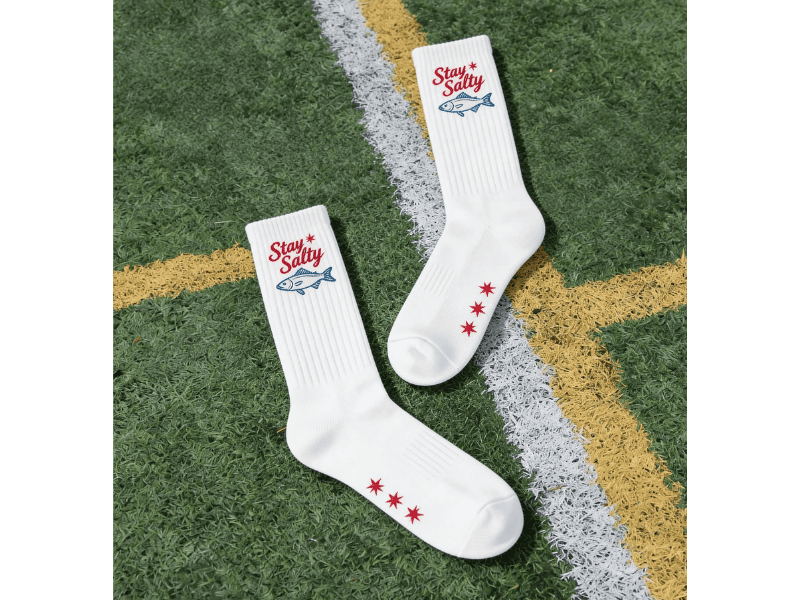
Bespoke Sport Socks Eco-friendly organic cotton sport socks with moisture-wicking technology designed for comfort and performance. Fully customisable with your brand. Production time on request. A fun, practical, low-cost team recognition item that works equally well for training completions and team celebration moments.
10. Anker Powerbank 30W
For training programmes, away days, or team workshops where staying connected and powered throughout the day matters, a premium branded powerbank from a recognised brand signals genuine organisational investment in the participant's experience and convenience.
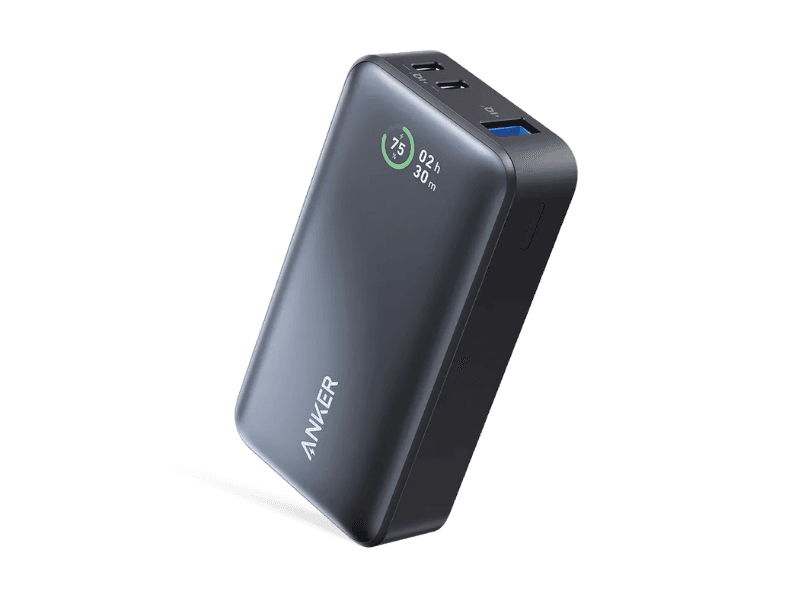
Anker Powerbank 30W A compact, powerful 30W branded powerbank from Anker, a brand employees already recognise and trust. Production time on request. The Anker name adds immediate premium quality signalling. A strong training participant gift, conference giveaway, or high-value recognition item for collaborative programme completions.
11. Hand Lotion 20ml
A small branded wellness gift that communicates genuine care for employees as people rather than as productive units. Particularly effective during periods of workplace change or following intensive training programmes that ask a lot of participants.

Hand Lotion 20ml A best-selling, sustainably packaged branded hand lotion in 100% recycled PE. Production time approx. 9 business days. A thoughtful low-cost wellness add-on for team kits, desk recognition packs, and any culture programme where communicating care for employee wellbeing is part of the message.
12. Bespoke Luggage Tag
A practical, durable branded gift for employees who travel for work, attend conferences, or participate in company retreats. Every trip is a brand impression, and a quality luggage tag lasts for years of regular use.
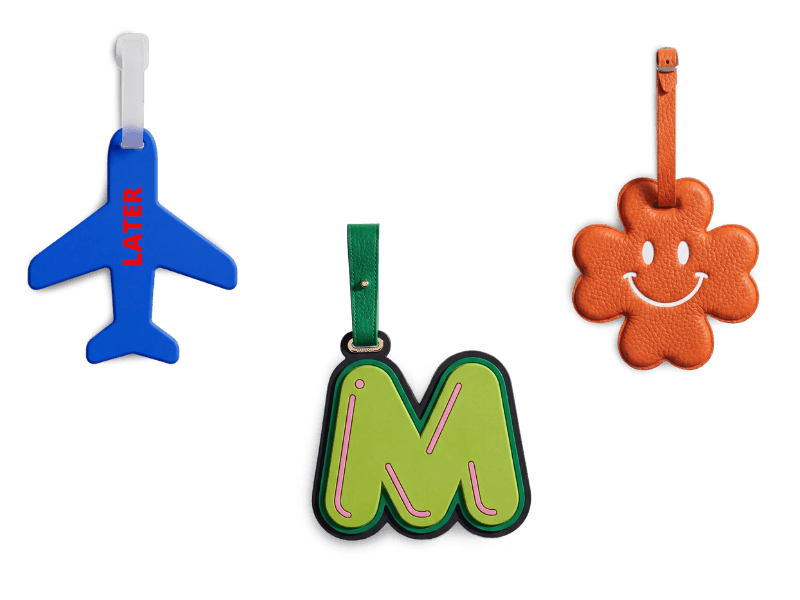
Bespoke Luggage Tag 6cm A fully customisable branded luggage tag that travels everywhere the employee does. A low-cost, long-lasting recognition gift that works well as a travel kit add-on, conference welcome item, or company retreat participant gift.
13. Glass Bamboo Lunchbox
A daily-use sustainable branded lunchbox that keeps your organisation's identity present at one of the most social and relationship-building moments of the working day, the shared lunch break, where informal connection and trust-building naturally happen.
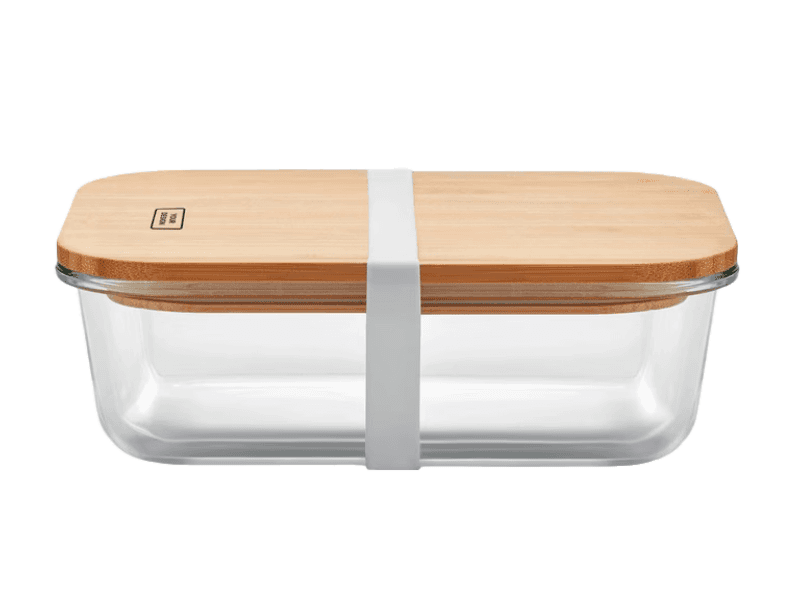
Glass Bamboo Lunchbox 800ml An 800ml glass lunchbox with a sustainable bamboo lid. Fast 7 business day production time. Eco-conscious, practical, and genuinely used every working day. An ideal mid-range recognition gift for training completions, culture programme participants, and team milestone celebrations.
14. Zip Tote Bag
A premium, zippered branded tote that communicates quality and trust in the same way a secure, organised approach to conflict does. Practical enough for daily commuting and work use, it generates high-frequency brand impressions in public spaces far beyond the office.
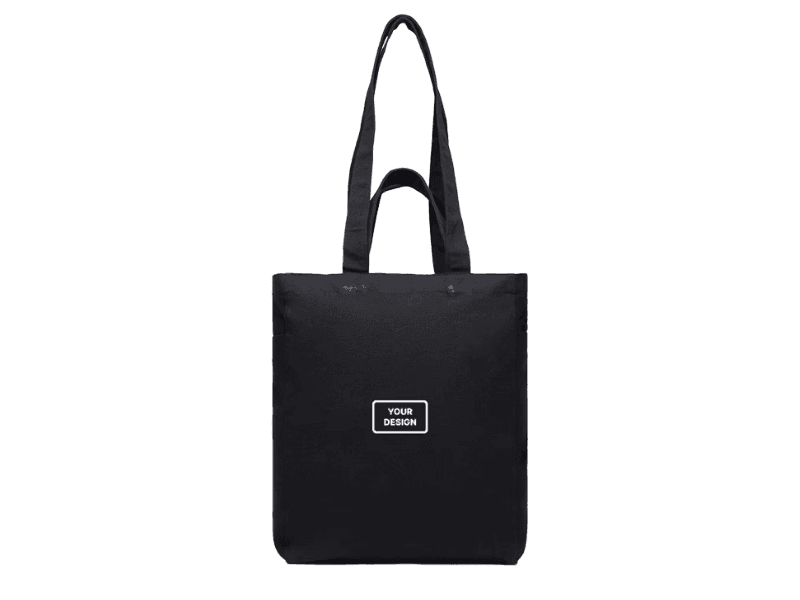
Zip Tote Bag A best-selling, sustainable zippered tote available in Black. Production time approx. 10 business days. A practical, high-visibility event and recognition gift that carries your brand into every space your employees inhabit.
15. Lululemon Men's Hoodie
For higher-value recognition of employees who complete leadership development programmes, serve as peer mediators, or model outstanding collaborative behaviour consistently over time, a premium branded hoodie from a recognised lifestyle brand delivers extraordinary emotional impact alongside excellent brand visibility.
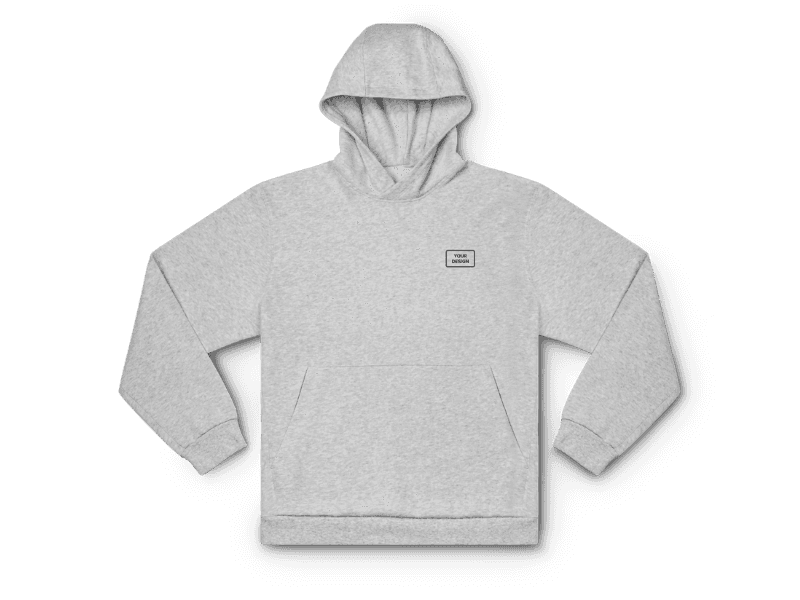
Lululemon Men's Hoodie A premium Lululemon branded hoodie that employees actively want to wear. Production time approx. 15 business days. The Lululemon name adds premium brand association that goes beyond standard merchandise. A strong service award, leadership programme completion gift, or high-value milestone recognition item.
Conclusion: Conflict Resolution Builds the Culture That Prevents the Next Conflict
Resolving a conflict well is not just about ending a dispute. It is about leaving both parties with enough trust, respect, and goodwill to work effectively together going forward. That is how conflict becomes the foundation for stronger relationships rather than the beginning of ongoing resentment.
Organisations that invest in conflict resolution skills, provide structured support through HR programmes and mediation resources, and build cultures where recognition and belonging are consistent experiences rather than occasional gestures, consistently see lower conflict rates, lower turnover, and higher engagement.
Monday Merch supports HR teams and people leaders with employee recognition merchandise, team culture products, and onboarding kits designed to reinforce the values, skills, and behaviours that make healthy workplace culture sustainable.
Browse the full product catalogue or contact the sales team for a free consultation and custom designs within 24 hours.
Frequently Asked Questions About Conflict Resolution in the Workplace
What is conflict resolution in the workplace? Conflict resolution is the process of addressing workplace disagreements in a constructive, structured way that restores understanding, maintains respect, and supports the health of both individual relationships and the broader team culture.
Which conflict resolution skills are most important? Active listening, clear communication, empathy, emotional intelligence, and problem-solving orientation are the five most consistently impactful skills. They reduce both the frequency and severity of conflicts and improve the quality of relationships across the organisation.
What are the most common types of workplace conflict? The most common types are interpersonal disagreements between colleagues, intragroup tension within teams, intergroup conflict between departments, and organisational disputes linked to policies or leadership decisions. Each type requires a slightly different resolution approach.
When should employees seek mediation or third-party support? When direct conversations have not produced resolution, when emotions have escalated beyond what the parties can manage independently, or when the dispute involves a significant power imbalance. HR or a trained external mediator can help facilitate productive dialogue and restore balance.
How does effective conflict resolution benefit workplace culture? Resolving conflicts constructively reduces stress, builds genuine trust, and demonstrates that the organisation values fair treatment and honest communication. Teams that handle conflict well consistently show stronger collaboration, higher engagement, and lower turnover than those that avoid or suppress it.
How can recognition programmes support conflict prevention? Consistent recognition reduces two of the most common drivers of workplace conflict: the sense of being invisible and resentment at unacknowledged effort. When employees feel genuinely valued and fairly treated, they are significantly less likely to let small tensions escalate into sustained conflicts.
Read more about how to effectively use company swag or merch Packs for your business.


